
What Happens At An Arraignment In Texas?
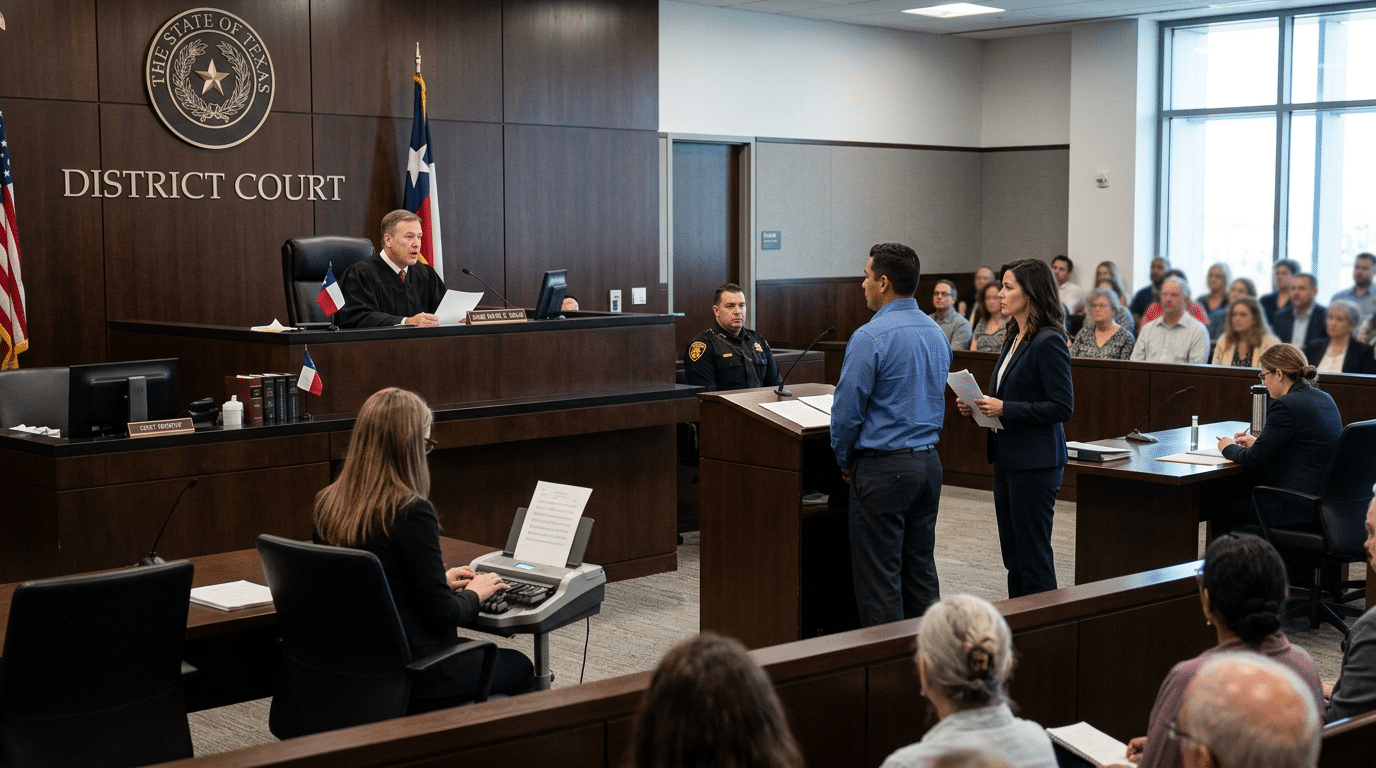
Getting arrested and charged with a crime in Texas can feel overwhelming. For many people, arraignment is one of the first times they appear in court. This hearing is often confusing, and many defendants are unsure what will happen or how it might affect their case. Although arraignment is not where guilt or innocence is decided, it is still a key step in the criminal process. What happens at this hearing can shape the rest of your case and influence later decisions. If you are facing charges in Galveston County or the Houston area, knowing what to expect at arraignment can help you make better choices and protect your rights from the start.
Understanding The Purpose Of An Arraignment
An arraignment is a formal court hearing where the defendant learns about the criminal charges filed against them. It officially notifies the defendant of the accusations and lets the court handle some basic procedural issues.
Under Article 26.02 of the Texas Code of Criminal Procedure, arraignment occurs in felony cases after the indictment or information has been presented. During this hearing, the court ensures that the defendant knows the nature of the charges and has an opportunity to enter a plea.
Some people expect dramatic events at arraignment, but the hearing is usually short. Still, it is an important step because it starts the formal court process after charges are filed.
What Happens When Your Case Is Called
When your case is called, the judge will state the charges against you. The court will check your identity and make sure you understand what you are accused of.
The judge may ask whether you have retained legal counsel or whether you need a court-appointed attorney. If you qualify financially and face possible incarceration, the court may appoint counsel pursuant to Article 1.051 of the Texas Code of Criminal Procedure.
The court will also handle some basic issues related to your case. The exact process can vary depending on the county and the type of charge. In Galveston County, local rules often affect how arraignments are run and what topics come up during the hearing.
Entering A Plea At Arraignment
A main purpose of arraignment is for the defendant to enter a plea.
Under Article 27.02 of the Texas Code of Criminal Procedure, recognized pleas include guilty, not guilty, nolo contendere, and certain special pleas authorized by law.
In most criminal cases, defendants enter a plea of not guilty at arraignment. This preserves the defendant’s rights and allows the defense to investigate the allegations, review evidence, and prepare legal defenses before making any decisions regarding the resolution of the case.
Pleading guilty early on can have serious consequences. Before making any plea that could lead to a conviction, defendants should understand the evidence, possible penalties, and any defenses they might have.
Why Arraignment Is Not A Trial
Many people mistakenly believe that an arraignment is the point where the prosecution presents its case and the defendant argues innocence. That is not what occurs during this hearing. Arraignment is not a trial. Usually, no witnesses testify and no evidence is presented to decide guilt or innocence. The judge is not deciding if the defendant committed the crime.
Instead, the hearing focuses primarily on notifying the defendant of the charges and moving the case into the next phase of the criminal justice process.
The opportunity to challenge evidence, cross-examine witnesses, and present defenses usually occurs later through pretrial motions, hearings, negotiations, or trial.
Bond And Conditions Of Release
In some cases, bond issues may still be addressed around the time of arraignment.
Texas law provides important protections regarding bail. Article 17.15 of the Texas Code of Criminal Procedure establishes factors courts consider when setting bail. The amount should be sufficient to ensure appearance in court, but should not be used as an instrument of oppression.
The court may impose conditions of release depending on the offense charged. These conditions could include reporting requirements, travel restrictions, alcohol monitoring, no-contact orders, or other requirements designed to protect public safety and ensure compliance with court orders.
Violating bond conditions can result in additional legal complications and may affect future bond decisions.
The Importance Of Having A Criminal Defense Lawyer Before Arraignment
One of the most important decisions a defendant can make is retaining legal counsel before the arraignment hearing whenever possible.
Early involvement by a defense attorney allows immediate action to protect the client’s interests. We often begin reviewing reports, identifying constitutional issues, preserving evidence, and evaluating potential defenses long before the first court appearance.
Having legal representation at arraignment also helps ensure that important rights are protected and that any issues involving bond, release conditions, or procedural matters are properly addressed.
Many mistakes made during the early stages of a criminal case can create problems later. Early representation often helps avoid those issues.
What Happens After Arraignment
Once the arraignment is completed, the case proceeds into the pretrial phase.
During this stage, prosecutors and defense counsel exchange information and review evidence. Discovery procedures allow the defense to examine police reports, witness statements, videos, forensic testing, and other evidence that may be relevant to the case.
Article 39.14 of the Texas Code of Criminal Procedure governs criminal discovery and requires prosecutors to disclose certain evidence to the defense.
The pretrial stage often includes investigation, witness interviews, legal research, plea negotiations, and preparation for possible hearings or trial.
Many criminal cases are resolved during this phase. Others proceed to a jury trial when factual or legal disputes cannot be resolved through negotiation.
Common Concerns Defendants Have About Arraignment
Many people worry that they will be expected to explain themselves at arraignment. In most cases, that does not happen.
Defendants are generally not required to testify or discuss the facts of the case during the hearing. In fact, remaining silent regarding the allegations is often the safest course of action while the defense reviews the evidence.
Others worry that failing to explain their side of the story will make them appear guilty. The criminal justice system does not operate that way. The burden remains on the prosecution to prove the allegations beyond a reasonable doubt.
Another common concern is whether an arraignment means a conviction is likely. The reality is that an arraignment simply begins the formal court process. Many cases are successfully defended, reduced, dismissed, or resolved favorably after the arraignment stage.
How Arraignment Differs In Felony And Misdemeanor Cases
Although arraignments occur in both felony and misdemeanor cases, there are differences depending on the level of offense.
Felony cases generally involve formal indictments returned by a grand jury under Article 20.19 of the Texas Code of Criminal Procedure. Arraignment follows the filing of the indictment and serves as the defendant’s formal appearance on those charges.
Misdemeanor procedures may vary depending on the court and jurisdiction. Some misdemeanor cases move through initial settings and docket calls without a formal arraignment hearing resembling those commonly seen in felony cases.
Regardless of the offense level, defendants benefit from understanding the process and obtaining legal guidance as early as possible.
Protecting Your Rights From The Beginning
The period immediately following an arrest can have a lasting impact on a criminal case. Statements made to law enforcement, bond decisions, preservation of evidence, and procedural deadlines can all affect the outcome.
The arraignment is one of the first opportunities for the defense to become actively involved in protecting a defendant’s rights. While the hearing itself may be relatively brief, it serves as the starting point for building a defense strategy.
Every criminal case presents unique facts, legal issues, and opportunities. Early preparation often creates advantages that may not be available later in the process.
FAQs About Arraignment In Texas
Do I Have To Attend My Arraignment In Texas?
In most criminal cases, attendance is required unless the court allows an appearance through counsel or grants another exception. Missing an arraignment can result in serious consequences, including the issuance of a warrant for your arrest. Courts expect defendants to appear as directed, and failure to do so can complicate the case significantly. If you are unsure whether your presence is required, you should discuss the issue with your attorney before the hearing date.
Can My Charges Be Dismissed At Arraignment?
Although dismissals can occur at various stages of a criminal case, arraignment is generally not where dismissal decisions are made. The hearing is primarily designed to inform the defendant of the charges and allow a plea to be entered. Legal challenges that may lead to dismissal usually occur later, after evidence has been reviewed and motions have been filed. However, early involvement by defense counsel can begin laying the groundwork for dismissal arguments.
Should I Plead Guilty At Arraignment?
Most defendants benefit from entering a not guilty plea at arraignment so that the defense has time to review evidence and investigate the allegations. Pleading guilty before understanding the prosecution’s case can create significant risks. Criminal charges often involve factual disputes, legal defenses, constitutional issues, or evidentiary weaknesses that may not be apparent at the beginning of the case. A careful review should occur before making decisions that could result in a conviction.
Will The Prosecutor Speak During The Arraignment?
The prosecutor is often present during arraignment proceedings, but extensive arguments about guilt or innocence typically do not occur. The prosecutor’s role at this stage is usually limited to addressing procedural matters and ensuring the case moves forward through the court system. Detailed discussions regarding evidence generally occur later.
Can I Talk To The Judge About My Side Of The Story?
Most defendants should avoid discussing the facts of their case directly with the judge during arraignment. The hearing is not intended for presenting defenses or explaining events. Statements made in court can potentially be used against a defendant later. It is generally better to allow your attorney to handle communications regarding the case while preserving your constitutional rights.
Can Bond Be Reduced At Arraignment?
In some cases, bond issues may be addressed around the arraignment stage. Courts may review existing bond conditions and consider requests for modification. Whether a reduction is granted depends on factors such as criminal history, the nature of the charge, community ties, and risk of flight. Legal representation can be particularly valuable when seeking bond relief.
Is Arraignment The Same Thing As A Trial?
No. Arraignment and trial are entirely different proceedings. Arraignment is an early procedural hearing focused on informing the defendant of the charges and obtaining a plea. A trial occurs much later and involves evidence, witness testimony, legal arguments, and a determination of guilt or innocence.
Call Our Galveston County Defense Attorneys For A Free Consultation
If you have been arrested and are facing arraignment in Galveston County or anywhere in the Houston area, the decisions you make early in the process can affect the outcome of your case. At Mark Diaz & Associates, we fight to protect the rights, freedom, and future of our clients from the very beginning of a criminal case.
When you hire me, you work directly with me. My clients have my personal cell phone number because questions, emergencies, and concerns do not always happen during business hours. You will not be handed off to a junior associate or lost in a system where your case is one of dozens on a crowded docket. From arrest through resolution, I remain personally involved and accessible.
Call our Galveston criminal defense attorney at Mark Diaz & Associates today by calling 409-515-6170 to schedule your free consultation. We represent clients throughout Galveston, Houston, and surrounding Texas communities, and we are ready to help you protect your rights at every stage of the criminal process.
