
What Happens If The DEA Is Investigating Me For Drug Trafficking In Texas?
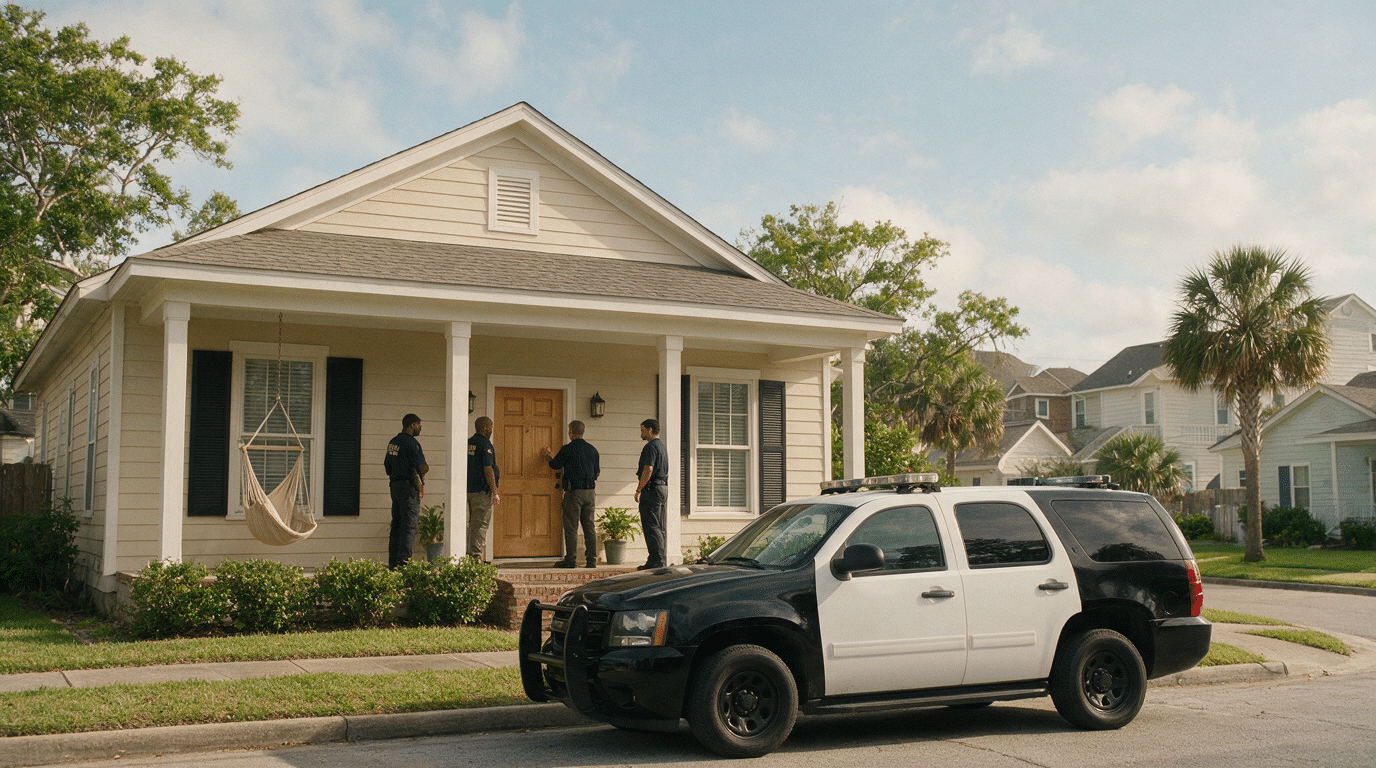
Finding out that the DEA may be investigating you for drug trafficking is very different from being stopped by local police with a small amount of drugs. DEA investigations often take place quietly over weeks or months before you even realize federal agents are involved. By that time, agents may have already gathered phone records, financial details, surveillance, statements from cooperating witnesses, controlled-buy evidence, or information from search warrants. Sometimes, these investigations involve several people, and prosecutors may be looking to prove a larger distribution network instead of just one transaction. If you think the DEA is investigating you in Galveston or Houston, your actions and words before any arrest can have a big impact on your case.
A DEA Investigation Usually Means Federal Criminal Charges Are Possible
The DEA is a federal law enforcement agency, so an investigation can lead to prosecution under federal law rather than, or sometimes in addition to, Texas law. One of the primary federal drug trafficking statutes is 21 U.S.C. § 841, which prohibits knowingly or intentionally manufacturing, distributing, dispensing, or possessing with intent to manufacture, distribute, or dispense controlled substances. Penalties vary greatly depending on the controlled substance, drug quantity, prior qualifying convictions, and other circumstances.
Texas also has its own controlled substance laws. Texas Health and Safety Code § 481.112, for example, makes it an offense to knowingly manufacture, deliver, or possess with intent to deliver certain Penalty Group 1 controlled substances. Texas maintains additional statutes for other penalty groups, including substances addressed separately under provisions such as § 481.1123.
The key thing to remember is that the same actions can draw attention from local, state, and federal authorities. When the DEA gets involved, we quickly look at whether federal prosecutors are building a case and if state investigators are working with them.
You May Be Under Investigation Long Before Anyone Tries To Arrest You
It’s a big mistake to think nothing serious is happening just because federal agents haven’t arrested you. Federal drug investigations often start long before anyone is charged or arrested.
Agents may investigate who you communicate with, where suspected transactions occur, how money moves, and whether multiple people appear to be working together. Search warrants can also become important. Under Texas law, Chapter 18 of the Texas Code of Criminal Procedure addresses search warrants, and Article 18.01 defines a search warrant as an order issued by a magistrate directing officers to search for specified property or things and bring them before the magistrate.
A federal investigation can also include court-approved searches, electronic evidence, financial records, surveillance, and information from other defendants. Just because agents haven’t contacted you directly doesn’t mean they aren’t gathering evidence.
Drug Conspiracy Charges Can Make A Federal Case Much Larger
One of the biggest concerns in a DEA investigation is whether prosecutors are thinking about filing a federal drug conspiracy charge.
Under 21 U.S.C. § 846, a person who attempts or conspires to commit an offense under the federal Controlled Substances Act can face the same penalties prescribed for the underlying offense that was the object of the conspiracy. This can become extremely important because the government does not necessarily have to claim that every defendant personally possessed every drug involved in the investigation.
Federal prosecutors may attempt to prove that several individuals agreed to participate in an illegal drug distribution operation. Evidence may include messages, telephone calls, financial transactions, meetings, testimony from alleged participants, drug seizures, or other circumstantial evidence.
This means someone can get caught up in a federal investigation even if no drugs were found on them. We look closely at what our client actually knew, what role the government says they played, and whether the evidence really shows they were part of an agreement, not just connected to others.
Cooperating Witnesses Can Play A Major Role In DEA Investigations
Federal drug cases frequently involve people who have already been arrested and decide to cooperate with investigators. Someone facing serious charges may provide information about other people in hopes of improving his or her own position.
But that doesn’t mean the person’s claims are always reliable. A cooperating witness might downplay their own actions and exaggerate someone else’s involvement. There can also be differences between what the witness first told investigators and what they say later.
When we defend these cases, we look at where the government’s information comes from. A case might seem strong because investigators have gathered a lot of details, but it’s still important to check if the sources are reliable. We consider statements, surveillance, electronic messages, physical evidence, and financial records together, instead of just taking a cooperating witness’s story as fact.
Do Not Assume You Can Talk Your Way Out Of A DEA Investigation
When federal agents reach out, they might make the conversation seem casual. An agent could say they just want to clear something up or hear your side. This can make you feel pressured to start explaining right away.
We usually advise against trying to handle a serious federal investigation on your own by talking to agents without a lawyer. Even if you think you’ve done nothing wrong, you could accidentally say something harmful by guessing about dates, downplaying relationships, making mistakes, or trying to explain things without knowing what evidence the investigators already have.
You have the right to refuse to answer questions and to ask for a lawyer. You don’t have to argue with agents or get in their way to use your rights. It’s usually safer to stay respectful, avoid answering detailed questions, and get legal help before deciding if you should talk to investigators at all.
A Search Warrant Does Not Require You To Explain The Evidence
If federal agents show up with a valid search warrant, it can feel overwhelming. Depending on the warrant, they may search your home, business, car, electronic devices, or other places.
A search warrant only allows agents to search as described in the warrant. You don’t have to explain documents, say who owns something, talk about your relationships, or answer questions about suspected drug activity.
We review the warrant, any legal issues, what areas were searched, what was taken, and whether agents followed the law. If evidence was collected illegally, search and seizure issues can be a key part of your defense.
Cell Phones And Electronic Communications May Become Critical Evidence
Today, drug trafficking investigations usually rely on more than just drugs found in a search. Phones and other electronic devices can hold messages, photos, contacts, location data, payment records, and other communications that investigators think show connections between people involved.
The meaning of these communications can be argued over. A short text might look incriminating on its own but mean something else in context. Investigators may also try to link nicknames, phone numbers, payment accounts, or devices to specific people.
We don’t just accept the government’s view of digital evidence. We check if the government can prove the evidence is real, show who actually used the device or account, and explain what a message means in the full context of the case.
Drug Quantity Can Have An Enormous Effect On Federal Penalties
Federal drug penalties are heavily influenced by both the type and amount of controlled substance involved. Section 841 establishes different penalty structures depending on the substance, quantity, and circumstances of the offense. Certain quantities can expose a defendant to mandatory minimum prison sentences and very high maximum sentences.
Because of this, the amount of drugs linked to a defendant is often one of the most debated issues in a federal trafficking case. In conspiracy cases, the government may try to tie a person to more drugs than they actually handled or had on them.
We look at how investigators figured out the amount, where that information came from, if the witnesses are trustworthy, and whether the government can legally link those amounts to our client.
The Government May Seek To Forfeit Money And Property
A DEA trafficking case may threaten more than a defendant’s freedom. Federal forfeiture law can permit the government to pursue property connected to controlled substance offenses.
Under 21 U.S.C. § 853, property can be subject to criminal forfeiture in qualifying federal drug prosecutions. Federal law also contains civil forfeiture provisions under 21 U.S.C. § 881 covering categories of property associated with violations of the Controlled Substances Act.
Depending on the case, prosecutors might go after cash, cars, financial accounts, or other property they say is tied to drug money or criminal activity. Just because there’s a forfeiture claim doesn’t mean the property was illegally obtained. We need to look closely at who owns it, where the money came from, and how it’s actually connected to the alleged crime.
Firearms Can Add Another Serious Federal Problem
The presence of firearms can dramatically change a federal drug prosecution. Federal law contains additional penalties for certain firearm conduct connected to drug trafficking crimes. Section 924© of Title 18 addresses using or carrying a firearm during and in relation to a drug trafficking crime and possessing a firearm in furtherance of such a crime. Depending on the circumstances, additional mandatory prison consequences can apply.
Even if a firearm is legally owned, that’s not the end of the story. Prosecutors may look at where the gun was found, how it relates to drugs or money, how easy it was to access, and what they believe it was used for.
If firearms are found during a DEA investigation, we check if there’s enough evidence to link the weapon to the alleged drug trafficking, not just to the person or place where it was found.
Early Defense Work Can Matter Before Charges Are Filed
It’s often a big advantage to get a defense lawyer involved while the investigation is still going on. As soon as we know the DEA might be investigating a client, we can figure out what’s happened, see if agents have made contact, find out about any searches or subpoenas, save helpful evidence, and guide the client on talking to investigators.
Sometimes an attorney can determine whether a person appears to be a witness, subject, or target of an investigation. Other times the government’s position remains unclear. Either way, the client benefits from making decisions based on legal advice rather than fear or speculation.
Our goal isn’t to get in the way of a legal investigation. It’s to protect your rights and help you avoid mistakes that could make the government’s case stronger.
Call Mark Diaz & Associates About Your DEA Drug Trafficking Investigation
If you have learned that the DEA is investigating you, this is not the time to assume that no charges will be filed because you have not yet been arrested. Federal investigators may already be building a case through witnesses, electronic communications, financial records, surveillance, search warrants, and evidence involving other defendants. The earlier we become involved, the sooner we can begin protecting your rights, examining what the government may be alleging, and preventing avoidable decisions from making the situation worse.
At Mark Diaz & Associates, we represent people facing serious criminal allegations in Galveston and throughout Houston, Texas. We understand that a federal drug investigation can threaten your freedom, finances, property, career, and family. We carefully examine the government’s evidence, the legality of searches and seizures, witness credibility, drug quantities, conspiracy allegations, and every other issue that may affect the prosecution.
When you hire me, you work directly with me. My clients have my personal cell phone number because questions, emergencies, and concerns don’t always happen during business hours. You won’t be handed off to a junior associate or lost in a system where your case is one of dozens on a crowded docket. From the investigation and arrest through the final resolution of the case, I remain personally involved and accessible.
If the DEA has contacted you, searched your property, questioned people around you, or you have another reason to believe that you are the subject of a federal drug trafficking investigation, call our Galveston federal drug trafficking attorney at Mark Diaz & Associates by calling 409-515-6170 to schedule your free consultation. We represent clients in Galveston and throughout the entire Houston area and are prepared to defend serious state and federal drug charges.
