
How False Confessions Happen In Texas Criminal Cases
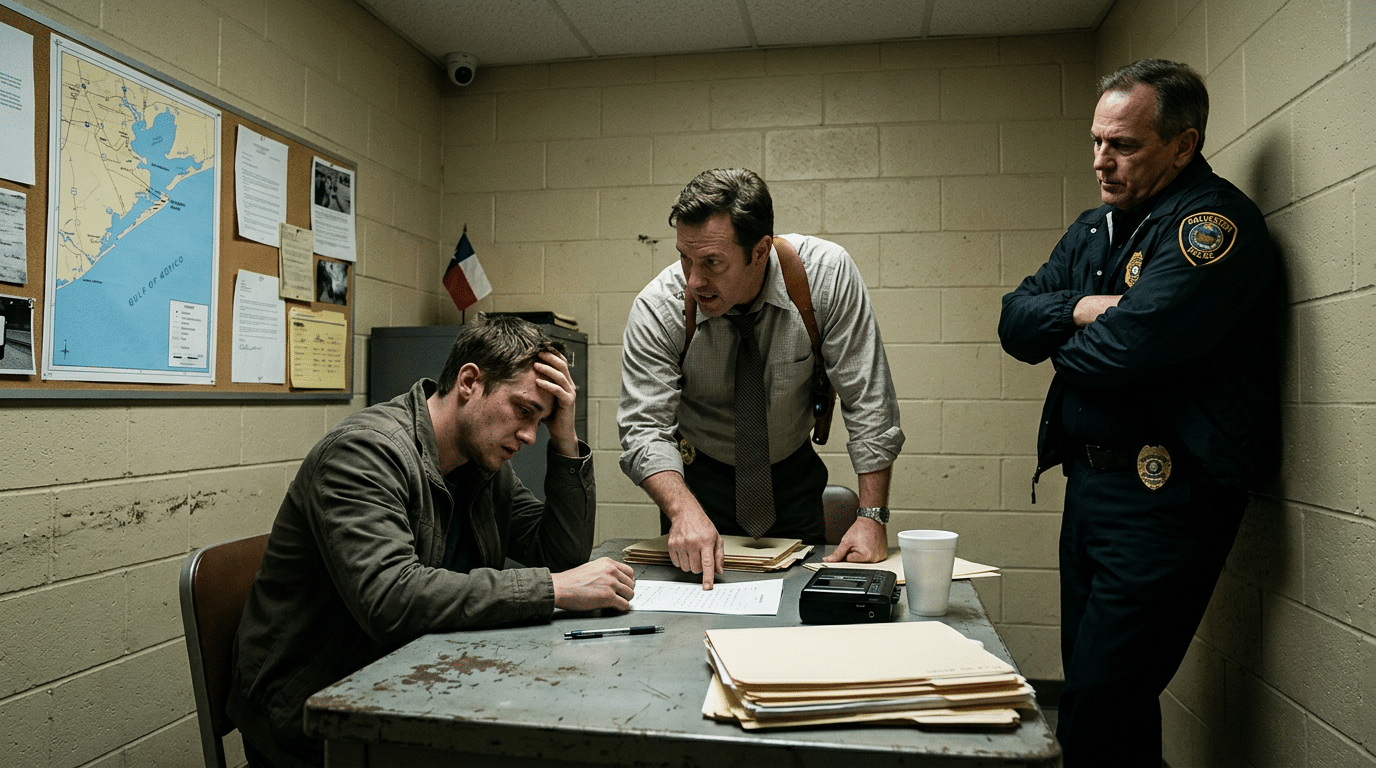
Most people assume they would never confess to a crime they did not commit. Once a police interrogation begins, however, the situation can be very different from what someone imagined. A frightened, exhausted, young, confused, or highly pressured suspect may start making statements simply to end the questioning or because the person believes cooperation will allow them to go home.
Investigators may also confront a suspect with accusations, evidence claims, or repeated suggestions that cause the person to question their own recollection of events. When we defend a Galveston County criminal case involving an alleged confession, we do not assume that a signed statement, recorded interview, or admission tells the complete story.
Why Innocent People Sometimes Make False Admissions
A false confession does not always begin with someone saying, “I committed the crime.” It can develop gradually during a long interview. A suspect may first agree with small details, adopt language used by investigators, or accept a suggested version of events. Over time, those statements may be combined into what prosecutors later characterize as an admission of guilt.
The circumstances surrounding the interrogation matter. A person who has been awake for many hours, is frightened about going to jail, does not fully understand the questions, or believes an officer has promised favorable treatment may respond differently than that person would under ordinary conditions. Young suspects and people with intellectual or developmental limitations can also be particularly vulnerable to suggestion.
When we review an alleged confession, we look at the entire interrogation instead of focusing only on the most damaging sentence.
Texas Law Regulates Custodial Statements
Texas Code of Criminal Procedure Article 38.22 establishes important requirements concerning statements made by an accused during custodial interrogation. For a written custodial statement to be admissible, the accused generally must receive warnings concerning the right to remain silent, the possibility that statements may be used as evidence, the right to counsel, the right to appointed counsel when applicable, and the right to terminate the interview. The accused must also knowingly, intelligently, and voluntarily waive those rights before and during the statement.
Article 38.22 also places recording requirements on many oral statements made during custodial interrogation. The statute is important because it gives courts and defense attorneys a way to evaluate what actually happened during questioning rather than relying solely on an officer’s later description of the interview.
A statement that appears voluntary when read on paper may look very different when the complete recording is reviewed.
A Recorded Confession Can Still Be Challenged
Some people believe that a confession cannot be challenged if police recorded it. That is not necessarily true. Recording the interrogation may help establish what occurred, but it does not automatically establish that every statement was voluntary or legally obtained.
We examine what happened before the recording began, how long the person had been detained, whether the individual asked for an attorney, what investigators said about the evidence, whether threats or promises were made, and whether the accused appeared to understand the questions and warnings.
We also compare the suspect’s words with facts that were already known to investigators. If important details first came from an officer and were later repeated by the suspect, that may become significant when evaluating whether the confession contains genuine independent knowledge of the crime.
Police Questioning Can Become Increasingly Pressured
Interrogations may involve repeated accusations. Investigators may tell a suspect that witnesses identified them, that forensic evidence connects them to the crime, or that another person has already blamed them. A suspect who repeatedly denies involvement may eventually change answers when faced with hours of questioning and the belief that investigators will not accept a denial.
The legal question is not simply whether police applied pressure. Criminal investigations naturally involve difficult questioning. The issue may become whether the circumstances caused the statement to be involuntary or whether officers violated constitutional or statutory protections governing custodial interrogation.
We study the tone, duration, sequence, and substance of the questioning. The complete context often matters more than one isolated statement.
Promises And Threats Can Become Important Issues
A suspect may believe that confessing will lead to release, probation, a reduced charge, protection of a family member, or some other benefit. The precise words used by investigators matter when determining whether a statement was voluntary.
There is a difference between officers explaining possible consequences and circumstances in which a suspect reasonably understands that a confession has been demanded in exchange for a specific benefit. Threats can raise similar concerns.
When we investigate an interrogation, we want the complete video and audio whenever it exists. We also look for police reports, interview notes, booking records, and evidence showing how long the person was detained before the statement was made.
False Confessions May Contain Details Supplied By Investigators
One of the most important issues in a disputed confession is where specific information came from. Prosecutors may argue that a suspect knew details that only the offender could have known. The defense may discover, however, that investigators introduced those details during questioning.
A suspect might initially give an incorrect answer about where something happened, how a weapon was used, or what property was taken. After an investigator corrects the person or repeatedly suggests another answer, the suspect may eventually repeat the officer’s version.
We carefully compare the interrogation recording with the final confession. That timeline can reveal whether supposedly incriminating details originated with the accused or with law enforcement.
Texas Law Can Exclude Illegally Obtained Evidence
Texas Code of Criminal Procedure Article 38.23 provides that evidence obtained in violation of the United States Constitution, the Texas Constitution, or Texas law generally may not be admitted against the accused at trial.
This rule can become important when a confession follows unlawful police conduct. The specific remedy depends on the facts, the nature of the violation, and the relationship between the violation and the statement.
We may ask the court to conduct a hearing concerning whether a statement was voluntary and admissible. A successful challenge can significantly alter a prosecution when the alleged confession is one of the government’s central pieces of evidence.
Juvenile Confessions Receive Additional Protection
Texas law provides additional safeguards for statements made by juveniles. Texas Family Code § 51.095 contains specific requirements governing the circumstances under which a child’s statement may be admitted. The statute addresses written and recorded statements and the circumstances surrounding interrogation while a child is in custody or detention.
Texas law also regulates juvenile processing offices and provides protections concerning how long children may be detained there and the circumstances under which statements may be obtained.
These protections matter because children may be more susceptible to authority, pressure, suggestion, and fear. A juvenile may say what an adult authority figure appears to want simply because the child believes that answer will end the interrogation.
A Confession Does Not End The Defense
People sometimes assume that once a confession exists, there is nothing a criminal defense lawyer can do. We do not approach a case that way. An alleged confession must be evaluated alongside physical evidence, witness statements, forensic testing, timelines, surveillance footage, phone records, and every other part of the prosecution’s case.
We ask whether the confession matches independently verified evidence. We also examine whether the accused changed answers after receiving information from investigators, whether important details were wrong, and whether law enforcement ignored evidence inconsistent with the confession.
A statement can be powerful evidence, but it is still evidence that must be tested.
Frequently Asked Questions About False Confessions In Texas Criminal Cases
Can Someone Really Confess To A Crime They Did Not Commit?
Yes. False confessions can occur for many reasons. A person may be exhausted, frightened, confused, young, highly suggestible, or convinced that confessing is the fastest way to end an interrogation. Some people believe they can explain everything later after they leave the police station.
The details of the interrogation matter greatly. We examine how long the interview lasted, what investigators said, whether questioning was repeated, whether the suspect understood the situation, and whether police introduced details that later appeared in the alleged confession. A confession should never be evaluated in isolation from the conditions under which it was obtained.
Can Police Question Me Without A Lawyer Present?
The answer depends on whether you are in custody, whether you have been advised of your rights, and whether you have clearly invoked the right to counsel. Texas Article 38.22 contains important requirements concerning warnings and waivers during custodial interrogation.
People frequently make the mistake of believing they can talk their way out of suspicion. Instead, their answers may create inconsistencies or provide investigators with information that becomes part of the prosecution’s case. Once questioning becomes serious, statements should be treated with great caution.
What If The Police Recorded My Confession?
A recording does not automatically make a confession valid. The recording may actually provide critical evidence concerning how the statement was obtained.
We review whether the required warnings were given, whether rights were waived knowingly and voluntarily, whether questioning continued after an invocation of rights, and whether investigators used threats, promises, or highly suggestive questioning. We also study who first introduced important facts.
Sometimes the recording supports the government’s position. In other cases, it provides strong evidence that the written summary or final confession does not accurately reflect how the interrogation unfolded.
Can A Judge Keep A Confession Away From The Jury?
Yes, depending on the facts. A defense attorney may challenge the admissibility of a statement when there are questions concerning voluntariness, statutory requirements, constitutional violations, or other legal defects.
Texas Code of Criminal Procedure Article 38.22 regulates when custodial statements may be used, while Article 38.23 addresses evidence obtained in violation of constitutional or statutory protections.
The court may need to hear evidence concerning what occurred during the interrogation before determining whether the statement can be presented to the jury.
What If My Confession Contains Facts About The Crime?
That issue requires careful examination. Prosecutors may argue that knowledge of undisclosed facts proves that the confession is reliable. We investigate whether those facts were truly undisclosed and whether the suspect supplied them independently.
An interrogation recording may show that an investigator mentioned a location, weapon, method, or other detail before the accused repeated it. Police reports and prior questioning may also reveal that information was communicated to the suspect earlier.
Determining who introduced each significant detail can be one of the most important parts of evaluating a disputed confession.
Are Juvenile Confessions Treated Differently In Texas?
Yes. Texas Family Code § 51.095 provides specific rules governing statements made by juveniles, particularly when a child is in custody or detention. Texas law also regulates juvenile processing facilities and the conditions under which a child may be temporarily detained and questioned.
We examine whether authorities followed these statutory protections and whether the child’s age, understanding, emotional condition, and circumstances affected the reliability of the statement. Juvenile interrogation cases require especially careful examination because younger suspects may have difficulty understanding the long-term consequences of agreeing with investigators.
Speak With A Galveston Criminal Defense Lawyer About A Disputed Confession
A confession can become one of the most damaging pieces of evidence in a Texas criminal prosecution, but the existence of a statement does not mean the case is over. At Mark Diaz & Associates, we examine how the interrogation began, how long it lasted, what investigators said, whether required warnings were given, whether questioning was recorded, and whether the alleged confession matches independently verified evidence.
We also look closely at whether investigators supplied critical details before the accused repeated them. If there are grounds to challenge the voluntariness or admissibility of the statement, those issues may need to be raised before trial.
When you hire Mark Diaz & Associates, you work directly with your attorney. Our clients have direct access because questions, emergencies, and concerns do not always happen during normal business hours. You will not simply be handed off to a junior associate or become another file in a crowded system. From the investigation and arrest through negotiations, hearings, trial preparation, and resolution, we remain personally involved and accessible.
Mark Diaz & Associates represents people accused of crimes in Galveston and throughout Houston, Texas. If police claim that you confessed, admitted involvement, or made damaging statements during an interrogation, contact our Galveston criminal defense lawyer at 409-515-6170 for your free consultation.
