
Penalties And Prison Time For Felony Credit Card Abuse Charges In Texas
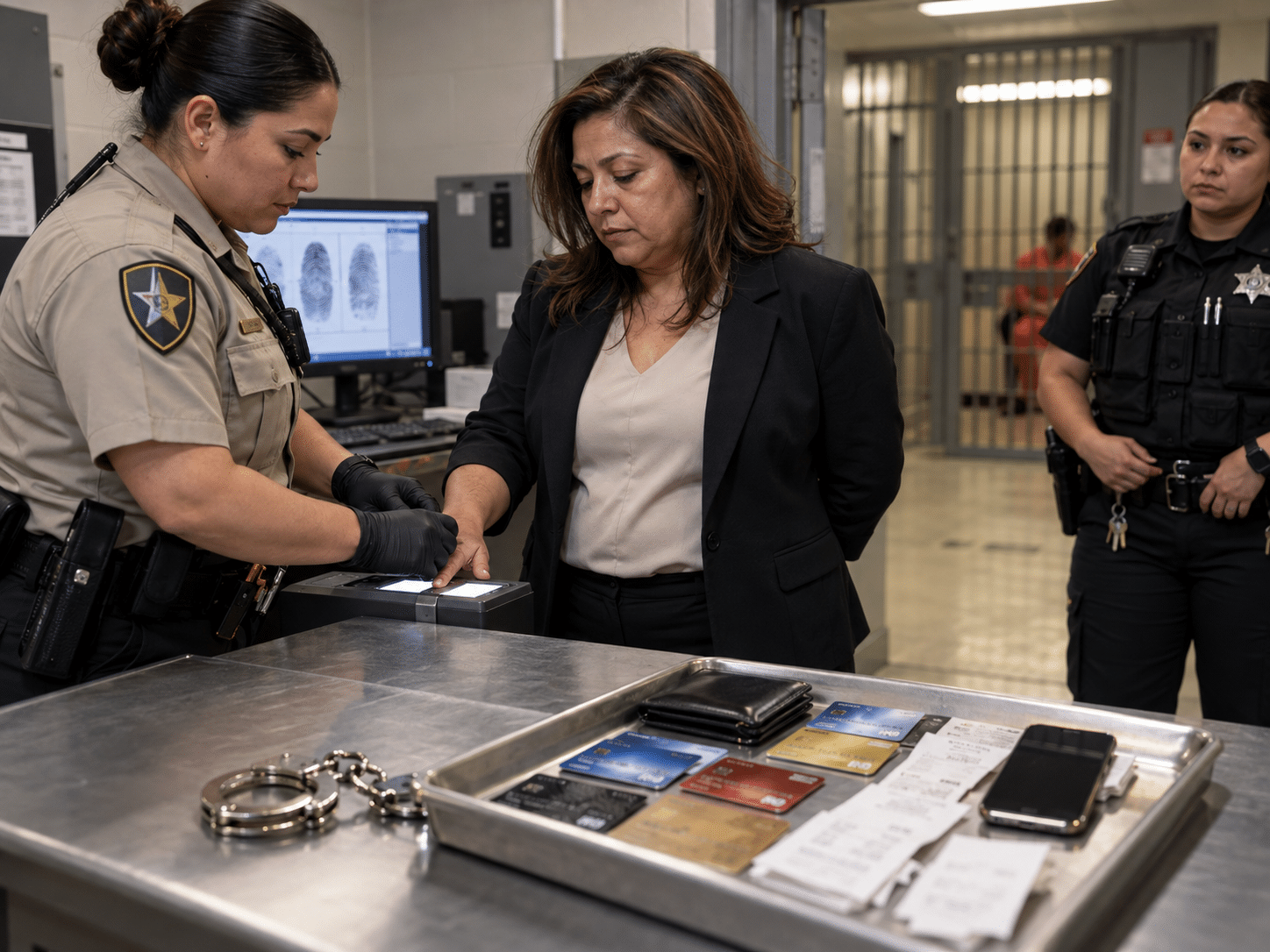
In Texas, you can face felony charges for credit card abuse even if the amount is small. Unlike other theft crimes, the punishment for credit or debit card abuse depends on how the card was obtained, used, or presented, and whether there was fraudulent intent. A conviction can mean jail time, a large fine, probation, restitution, and a permanent felony record. We take these cases seriously because prosecutors often use transaction records, surveillance footage, online purchase history, account data, text messages, and statements to investigators as evidence. When we defend someone accused of credit card abuse in Galveston County, we look closely at whether the state can prove every part of the offense, not just that an unauthorized transaction happened.
What Texas Law Defines As Credit Card Or Debit Card Abuse
Texas Penal Code § 32.31 governs credit card and debit card abuse. The statute covers a wide range of conduct, including using or presenting a credit or debit card with fraudulent intent while knowing that the card was not issued to the person using it and that the cardholder did not effectively consent to its use. The law also addresses conduct involving fictitious cards, stolen cards, revoked or canceled cards, and other fraudulent uses of payment cards.
The statute applies to more than a physical card. Texas law defines a credit card and debit card broadly enough to include the card number or description used to obtain property or services even when the physical card itself is not presented.
This becomes important in cases involving online purchases, stored payment information, mobile transactions, and card numbers obtained without permission. We look closely at how the information was obtained, who actually used it, whether consent existed, and whether the accused knew the use was unauthorized.
Credit Card Abuse Is Usually A State Jail Felony
Texas Penal Code § 32.31(d) usually makes credit card or debit card abuse a state jail felony. This applies whether the transaction was for a small or large amount, which often surprises people who think a small purchase would only be a misdemeanor.
Texas Penal Code § 12.35 provides that a person convicted of a state jail felony can be sentenced to confinement in a state jail for no less than 180 days and no more than two years. The court may also impose a fine of up to $10,000.
So, someone accused of using another person’s card for a small purchase can still face felony charges. The amount spent can affect things like restitution or other charges, but § 32.31 makes the offense a felony from the start.
When Credit Card Abuse Becomes A Third-Degree Felony
Texas law increases the severity of the charge when the alleged victim is an elderly individual. Under Texas Penal Code § 32.31(d), credit card or debit card abuse is a third-degree felony if the prosecution proves that the offense was committed against an elderly individual as defined by Texas Penal Code § 22.04.
A third-degree felony carries significantly more potential prison time than a state jail felony. Under Texas Penal Code § 12.34, a third-degree felony is punishable by two to ten years in the Texas Department of Criminal Justice. A fine of up to $10,000 may also be imposed.
This enhancement can become especially important in cases involving family members, caregivers, employees, acquaintances, or anyone who had legitimate access to an elderly person’s financial information but is later accused of using it without permission.
Fraudulent Intent Is A Central Issue
A disputed credit card transaction is not automatically a criminal offense. In many circumstances covered by § 32.31, prosecutors must prove fraudulent intent along with the other statutory elements.
Consent often becomes one of the most important factual disputes. A person may have previously been allowed to use a spouse’s, parent’s, employer’s, or partner’s card and later be accused of exceeding that permission. The prosecution may argue that authorization never existed or that it ended before the disputed transactions occurred.
We examine text messages, emails, account history, previous transactions, witness statements, purchase patterns, and the relationship between the parties. Evidence showing prior authorization or a misunderstanding about the limits of permission may materially affect the state’s case.
Prosecutors May Use Digital Evidence To Build The Case
Modern credit card abuse investigations often involve substantial electronic evidence. Investigators may obtain merchant records, account statements, IP addresses, delivery addresses, login information, surveillance recordings, phone records, and communications between the people involved.
A transaction tied to a person’s address or phone does not necessarily prove that the person committed the offense. Shared devices, shared residences, stored account information, compromised passwords, and access by other people may create factual issues that need to be investigated.
We also examine whether law enforcement lawfully obtained digital evidence and whether the records actually identify the person accused. The existence of a fraudulent charge and proof that a particular defendant knowingly made that charge are two different issues.
Multiple Cards Or Card Numbers Can Lead To Additional Charges
Some credit card cases involve accusations that a person possessed numerous card numbers, counterfeit cards, or electronically stored payment information. Texas Penal Code § 32.315 separately addresses fraudulent use or possession of credit card or debit card information and creates different felony levels depending on the number of items involved.
That means an investigation may produce more than one charge. Prosecutors may consider credit card abuse, fraudulent possession of card information, identity-related offenses, theft, forgery, or other allegations depending on the facts.
We review the charging documents carefully because the statute selected by the prosecution affects the required elements and potential punishment.
A Felony Conviction Can Affect More Than Your Freedom
The possible consequences of a credit card abuse conviction go beyond confinement and fines. A felony record can affect employment, professional licensing, housing opportunities, financial positions, and other areas in which background checks are used.
Courts may also order restitution related to financial losses caused by the alleged offense. The exact consequences depend on the case, criminal history, plea negotiations, sentencing decisions, and the particular offense of conviction.
For that reason, we examine defenses and weaknesses in the prosecution’s evidence early. The objective is not simply to discuss the sentencing range after a charge is filed. We look for ways to challenge whether a criminal offense can be proven at all and whether the evidence supports the level of charge alleged.
Frequently Asked Questions About Felony Credit Card Abuse In Texas
How Much Prison Time Can You Get For Credit Card Abuse In Texas?
Ordinary credit card or debit card abuse under Texas Penal Code § 32.31 is generally a state jail felony. A state jail felony is punishable by 180 days to two years in a state jail facility, and the court may also impose a fine of up to $10,000 under Texas Penal Code § 12.35.
If the offense was committed against an elderly individual, § 32.31 raises the offense to a third-degree felony. A third-degree felony carries two to ten years in the Texas Department of Criminal Justice and a possible fine of up to $10,000 under Texas Penal Code § 12.34.
The actual sentence depends on many factors, including criminal history, the facts of the case, plea negotiations, restitution, and whether any other charges are involved.
Is Credit Card Abuse A Felony Even If The Purchase Was Small?
Yes. Texas Penal Code § 32.31 classifies credit card or debit card abuse as a state jail felony in ordinary cases. The statute does not use the same dollar-value structure that applies to many theft offenses.
That means a relatively small unauthorized purchase can still expose someone to a felony charge if prosecutors can prove the statutory elements. The amount may still influence the circumstances of the prosecution, restitution, negotiations, and sentencing, but a small amount does not automatically reduce the offense to a misdemeanor.
What If I Had Permission To Use The Credit Card?
Consent can be a major defense issue. Section 32.31 covers several forms of prohibited conduct, including certain uses where the person knows the cardholder did not effectively consent.
If you had permission to use the card, the dispute may center on the scope of that permission. For example, someone may have permission to purchase groceries but later be accused of using the card for unrelated expenses. We would review messages, transaction history, testimony, and prior patterns of authorized use to determine whether prosecutors can prove fraudulent intent and lack of consent.
Can I Be Charged For Using Someone Else’s Card Number Online?
Yes. Texas law defines credit and debit cards broadly enough to include the number or description of the device even when the physical card is not produced during the transaction.
As a result, online purchases can support a credit card abuse prosecution when the required fraudulent intent and other elements are present. Investigators may use IP data, shipping addresses, account logins, devices, emails, and merchant records to try to identify the person responsible.
We still examine whether those records actually prove who made the purchase and whether another person had access to the device or account.
Can I Be Charged If Someone Gave Me Their Card And Later Said I Did Not Have Permission?
Yes, a charge can be filed, but the accusation does not automatically prove the offense. These cases often turn on conflicting evidence about what permission was given and whether that permission had limits.
We may examine the history between the parties, previous card use, communications, repayment arrangements, and what each person said before and after the transaction. If prosecutors cannot prove beyond a reasonable doubt that the use was fraudulent and unauthorized under the applicable portion of § 32.31, that weakness can become central to the defense.
Can Credit Card Abuse Charges Be Dismissed Or Reduced?
The answer depends on the evidence and the circumstances. Potential issues may include consent, lack of fraudulent intent, mistaken identity, insufficient proof linking the accused to a transaction, unreliable witnesses, or problems with the way evidence was obtained.
Some cases may also involve opportunities for negotiation depending on the facts, prior record, restitution, and prosecutor’s assessment of the evidence. We do not assume that every arrest or indictment will result in a conviction. We evaluate the state’s evidence and determine whether the prosecution can actually prove the charged offense.
Speak With Our Galveston Criminal Defense Lawyer About Credit Card Abuse Charges
A felony credit card abuse accusation can place your freedom, record, career, and reputation at risk. Mark Diaz & Associates represents people accused of credit card abuse and other felony offenses in Galveston and throughout Houston, Texas. We examine whether the cardholder consented to the transaction, whether fraudulent intent can be proven, whether digital evidence actually identifies our client, and whether prosecutors have charged the correct offense.
When you hire Mark Diaz & Associates, you work directly with your attorney. Our clients have direct access, including a personal cell phone number, because questions, emergencies, and concerns do not always happen during normal business hours. You will not simply be handed off to a junior associate or left wondering who is responsible for your case. From the arrest and investigation through negotiations, hearings, trial preparation, and resolution, we remain personally involved and accessible.
If you have been arrested, charged, or are under investigation for credit card abuse in Galveston or anywhere in the Houston area, contact our Galveston felony defense lawyers at Mark Diaz & Associates by calling 409-515-6170 to receive your free consultation. Early legal review can help identify the evidence the prosecution is relying on and the defenses that may apply to your case.
