
Can Deepfake Sexual Images Lead To Criminal Charges In Texas?
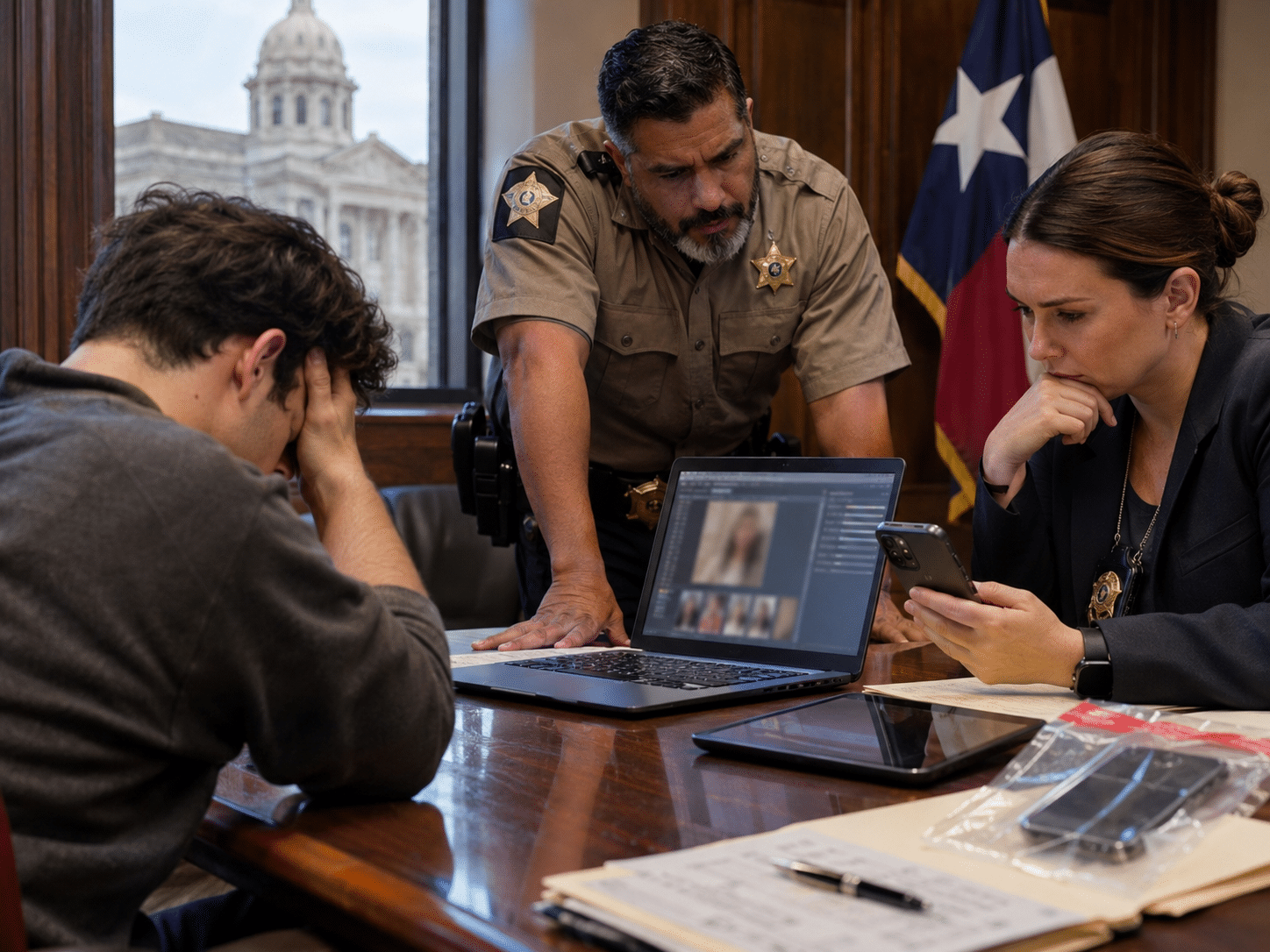
Artificial intelligence now allows people to create realistic sexual images of someone without their involvement. What might seem like a prank, revenge post, altered photo, or private message can lead to a criminal investigation in Galveston County. Texas law directly addresses deepfake sexual media and makes certain actions involving these images a crime. Someone can be charged for knowingly creating or sharing qualifying deepfake sexual material without proper consent. Even threatening to create or share such material can bring criminal charges in some cases. When we defend these cases, we look at how the image was made, whether the person shown gave valid consent, who shared the material, what our client actually knew, and whether the digital evidence supports the charges.
Texas Has A Specific Criminal Law Covering Sexual Deepfakes
Texas Penal Code § 21.165 covers the illegal creation or sharing of certain sexually explicit deepfake media. The law defines deepfake media as images or videos made or changed with software, machine learning, artificial intelligence, or other technology that seem to show a real person doing something they did not actually do. This law applies to photos, digital images, videos, and other visual recordings.
The law targets realistic images of people who can be identified. A case might involve a picture where computer-generated intimate parts look like they belong to the person shown, or an image that makes it seem like the person took part in sexual activity that never happened.
Creating A Deepfake Sexual Image Can Lead To Charges
Texas Penal Code § 21.165(b) says it is a crime to knowingly create or share deepfake sexual media by electronic means without the proper consent of the person shown. This includes media that looks like it shows computer-generated intimate parts or someone else’s intimate parts as if they belong to the person in the image. It also covers material that makes it seem like the person took part in sexual activity they did not actually do.
This means someone can face criminal charges even if they do not post an image publicly. Sharing through text messages, direct messages, social media, messaging apps, email, or other digital ways can also be investigated.
We look at who made the file, who had it, which account sent it, whether someone else could access the device or account, and if the prosecution can prove our client knowingly created or shared the material.
Consent Must Meet Specific Requirements Under Texas Law
Consent can become a major issue in these cases. Texas Penal Code § 21.165 does not treat an informal assumption about permission as automatically sufficient. The statute provides that consent for the production or distribution covered by subsection (b) is valid only when the person appearing to be depicted knowingly and voluntarily signs a written agreement drafted in plain language.
That agreement must contain a general description of the deepfake media and, when applicable, identify the audiovisual work in which the material will appear.
This requirement can become significant when two people disagree about whether permission existed. We would want to see the actual written agreement, communications surrounding its execution, and evidence showing what the depicted person understood and agreed to.
A Disclaimer Does Not Automatically Protect The Creator
Someone may believe that labeling an image “AI-generated,” “fake,” or “not real” eliminates criminal liability. Texas law specifically limits that argument. Texas Penal Code § 21.165 provides that it is not a defense merely because the deepfake media contains a disclaimer stating that the material was unauthorized or that the person shown did not participate in creating it. The statute is concerned with the creation and distribution of qualifying sexual deepfake material itself, not simply whether the audience was told that the image was artificial. For that reason, adding words such as “parody,” “AI,” or “fake image” does not necessarily prevent criminal charges.
Threatening To Create Or Distribute A Sexual Deepfake Is Also A Crime
A person does not necessarily have to complete the creation or distribution of the image to face prosecution. Texas Penal Code § 21.165(b-1) makes it an offense to intentionally threaten to produce or distribute qualifying deepfake media when the threat is made with the intent to coerce, extort, harass, or intimidate another person.
This provision can apply to disputes between dating partners, former partners, classmates, coworkers, or others. A message such as threatening to create sexual images unless someone pays money, continues a relationship, sends additional photographs, or takes some other action could become important evidence.
The exact language matters. We examine the complete conversation instead of relying on an isolated screenshot. Context, timing, intent, account ownership, deleted messages, and whether statements were serious threats or misunderstood communications can all become important.
Deepfake Sexual Image Charges Can Become A Felony
Ordinarily, unlawful production or distribution is a Class A misdemeanor. Under Texas Penal Code § 12.21, a Class A misdemeanor can carry up to one year in county jail and a fine of up to $4,000.
The offense can increase to a third-degree felony if the defendant has previously been convicted under § 21.165 or if the person appearing to be depicted is younger than 18. A Texas third-degree felony carries a potential prison sentence of two to ten years and a fine of up to $10,000 under Texas Penal Code § 12.34.
Threatening to create or distribute deepfake media under subsection (b-1) is generally a Class B misdemeanor, but it may become a Class A misdemeanor when the accused has a prior conviction under the statute or when the threatened deepfake would depict a person younger than 18.
Deepfake Images Involving Minors Can Create Much More Serious Problems
Cases involving anyone under 18 require special attention. Texas has expanded several criminal statutes to address computer-generated sexual material involving minors. Separate provisions in Chapter 43 of the Texas Penal Code can apply to certain AI-generated or computer-modified depictions of minors, including material that uses the recognizable likeness of an actual child or that appears virtually indistinguishable from an actual minor.
This means an investigation may involve more than § 21.165. The exact image, the apparent age of the person depicted, how the material was created, and what was done with it may affect which criminal statutes prosecutors consider.
Phones And Social Media Accounts Can Become Critical Evidence
Deepfake cases often depend heavily on digital evidence. Investigators may seek phones, computers, cloud accounts, social media records, messaging histories, saved images, metadata, search histories, AI application records, and account login information.
The presence of a file on a device does not always establish who created or distributed it. Devices may be shared, accounts may be accessible to other people, files may sync automatically, and material may be downloaded without being intentionally transmitted. We examine the technical evidence carefully because digital attribution can become one of the most important issues in the case.
We also examine whether police lawfully obtained the evidence. Search warrants, consent searches, account subpoenas, forensic examinations, and the scope of any digital search may all require legal review.
Deepfake Allegations Require A Careful Examination Of Intent And Digital Evidence
These cases can become emotionally charged very quickly, especially when they involve former partners, students, coworkers, or online disputes. An accusation may spread before law enforcement determines who actually created the material or where it originated.
We do not assume that a screenshot or digital file proves who committed an offense. We examine device ownership, account access, timestamps, metadata, communications, consent records, witnesses, and the sequence of events surrounding the alleged creation or distribution.
Texas law now treats sexual deepfake allegations seriously. Anyone accused of producing, distributing, or threatening to distribute this material should understand the possible criminal consequences before speaking extensively with investigators or attempting to explain digital evidence without legal advice.
Frequently Asked Questions About Deepfake Sexual Images In Texas
Is It Illegal To Make A Sexual Deepfake Of Another Person In Texas?
It can be. Texas Penal Code § 21.165 makes it a crime under certain circumstances to knowingly produce deepfake media without the effective consent of the person appearing to be depicted when the material appears to show computer-generated intimate parts or sexual conduct in which the person did not participate.
Is Sending A Deepfake Sexual Image To One Person Enough For Criminal Charges?
Yes, it’s possible. Texas law covers distributing deepfake media electronically and doesn’t require it to reach thousands of people for criminal charges to apply. Even a text, direct message, or email could count as distribution, depending on the situation.
What Happens If The Image Was Clearly Labeled As AI Generated?
A disclaimer does not automatically prevent prosecution. Texas Penal Code § 21.165 specifically states that it is not a defense simply because the deepfake includes a disclaimer indicating that it was unauthorized or that the depicted person did not participate in its creation or development.
That means someone should not assume that adding “AI generated,” “fake,” or similar wording makes otherwise prohibited conduct lawful. We still examine whether every statutory requirement is present and whether the government can connect our client to the creation or distribution.
Is Threatening To Post A Sexual Deepfake Illegal In Texas?
It can be. Texas Penal Code § 21.165(b-1) makes it an offense to intentionally threaten to produce or distribute deepfake sexual media when the threat is intended to coerce, extort, harass, or intimidate another person. The content and context of the communication are important. We examine the entire exchange, not merely one selected message. The prosecution must establish the required intent, and statements taken out of context may not always mean what investigators initially assume.
What If Someone Else Used My Phone Or Social Media Account?
Account ownership and authorship are not always the same thing. Another person may know a password, borrow a phone, use a shared computer, or access an account that remains logged in. Digital records can sometimes show device identifiers, login locations, timestamps, file creation information, or other evidence concerning who actually performed an action.
What Happens If The Deepfake Depicts Someone Under 18?
The consequences can become substantially more serious. Section 21.165 increases unlawful production or distribution to a third-degree felony when the person appearing to be depicted is younger than 18. Texas law also contains separate criminal provisions covering certain computer-generated or AI-modified sexual material involving minors.
Speak With Mark Diaz & Associates About A Deepfake Sexual Image Charge
An accusation involving AI-generated sexual images can create serious criminal exposure in Texas, particularly when prosecutors claim that the material was created or distributed without consent, used to threaten another person, or involved someone younger than 18. These cases frequently depend on digital evidence, account ownership, metadata, consent, intent, and the precise way the image was created or transmitted. At Mark Diaz & Associates, we examine the evidence behind the accusation rather than assuming that a phone, username, or screenshot tells the entire story.
When you hire Mark Diaz & Associates, you work directly with your attorney. Our clients have access to their attorney’s personal cell phone number because questions, emergencies, and concerns do not always arise during normal business hours. You will not simply be handed off to a junior associate or become another file on a crowded docket. From the investigation or arrest through resolution, we remain personally involved, accessible, and familiar with the facts affecting your defense.
Mark Diaz & Associates represents clients facing serious criminal accusations in Galveston and throughout Houston, Texas. If you are being investigated or have been charged in connection with sexual deepfake images, electronic communications, harassment, sexual offenses, or another criminal allegation, contact our Galveston sex crime attorney at Mark Diaz & Associates today by calling 409-515-6170 to schedule your free consultation.
