
Penalties In Texas For DWI With A Minor Passenger
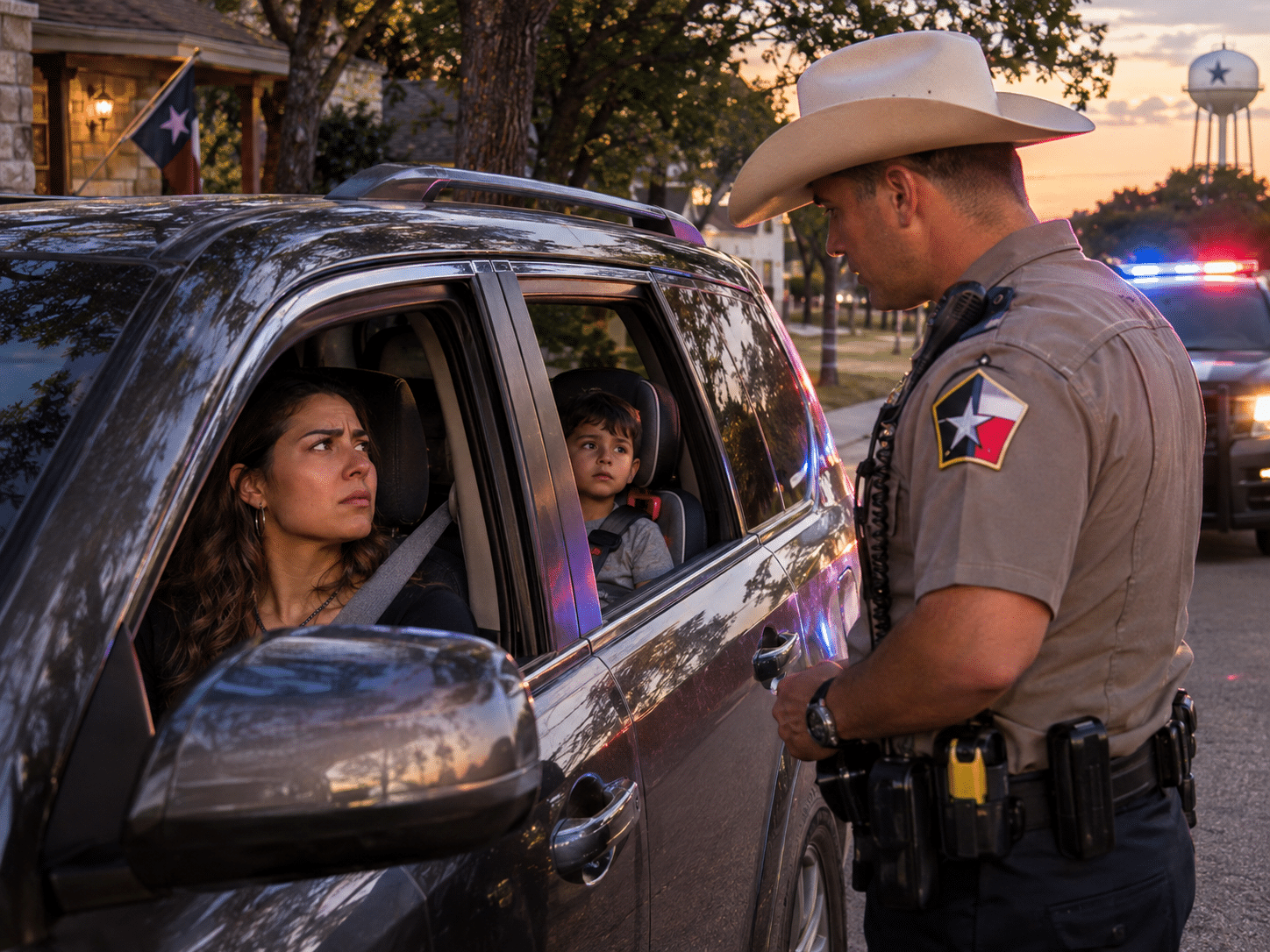
Driving while intoxicated is a serious crime in Texas, and having a young child in the car can quickly make the charge a felony. Texas law treats DWI with a child passenger more severely than a regular first-time DWI because of the risk to a child who cannot control the situation. You can be charged with a state jail felony even if there was no accident, no one was hurt, and you have never been convicted of DWI before. The law applies if the passenger is under 15 years old. When we handle these cases, we look at the traffic stop, evidence of intoxication, chemical and field sobriety tests, the child’s age, and every detail the prosecutors must prove beyond a reasonable doubt.
Texas DWI With A Child Passenger Is A Felony
Texas Penal Code § 49.045 makes it a criminal offense to operate a motor vehicle in a public place while intoxicated when the vehicle is occupied by a passenger who is younger than 15 years of age. Unlike an ordinary first DWI, which is generally prosecuted as a misdemeanor, DWI with a child passenger is classified as a state jail felony.
The prosecution must still prove that the driver was legally intoxicated. Texas Penal Code § 49.01 defines intoxication as either not having the normal use of mental or physical faculties because of alcohol, drugs, controlled substances, another substance, or a combination of substances, or having an alcohol concentration of 0.08 or more. Texas Penal Code § 49.04 separately establishes the basic offense of operating a motor vehicle in a public place while intoxicated. So, having a child in the car does not remove the State’s duty to prove intoxication. It just makes the charge more serious if the main facts are proven.
A Conviction Can Result In State Jail Time
Texas Penal Code § 12.35 establishes the ordinary punishment range for a state jail felony. A person convicted of DWI with a child passenger can face between 180 days and two years in a state jail facility. The court may also impose a fine of up to $10,000.
This is a key difference between a regular first DWI and a DWI with a child passenger. Someone with no serious legal history could suddenly face a felony record and possible jail time just because a child under 15 was in the car.
A felony conviction can have effects long after the case is over. It can impact jobs, professional licenses, housing, insurance, gun rights, and background checks. When we review your case, we look beyond the immediate sentence and consider the long-term impact of every possible outcome.
The Child Must Be Younger Than 15
The age requirement under Texas Penal Code § 49.045 is specific. The passenger must be younger than 15 years old at the time of the alleged offense. A 14-year-old passenger falls within the statute. A passenger who has already turned 15 does not satisfy the child-passenger element of § 49.045, although the driver may still face an ordinary DWI charge if the State can prove intoxicated operation.
We verify the passenger’s age rather than assuming that the charging documents are accurate. The State must prove each statutory element, including the qualifying age of the passenger.
A First DWI Can Still Become A Felony
Many people assume that a first DWI in Texas cannot result in a felony charge. DWI with a child passenger is a major exception to that assumption.
Texas Penal Code § 49.04 generally treats an ordinary first DWI as a Class B misdemeanor, subject to statutory enhancements. Section 49.045, however, independently classifies DWI with a passenger younger than 15 as a state jail felony.
The prosecution does not need to prove that the driver has a prior DWI conviction before bringing the felony child-passenger charge. The qualifying passenger alone changes the offense level if the State proves the remaining elements.
The State Still Has To Prove Intoxication
Even though it’s a felony, you can still challenge the DWI evidence. We look at whether the police had a legal reason to stop you, if the officer’s observations really show impairment, and if the field sobriety tests were done correctly.
Breath and blood test results also need careful review. The equipment, how samples were collected, lab analysis, timing, chain of custody, and medical issues can all affect what the results mean. Just seeing an alcohol level isn’t enough, we need to look at how the result was reached.
Texas also permits DWI prosecutions based on the alleged loss of normal mental or physical faculties even when the alcohol concentration is below 0.08 or no chemical test result is available. That makes officer observations, video evidence, speech, balance, driving behavior, and performance on field sobriety exercises especially important.
Prescription Drugs And Marijuana Can Also Support The Charge
Texas DWI law is not limited to alcohol. Section 49.01 expressly includes intoxication caused by controlled substances, drugs, dangerous drugs, combinations of substances, or other substances.
A person could therefore face DWI with a child passenger allegations involving prescription medication, marijuana, illegal drugs, or a combination of drugs and alcohol. The prosecution still has to establish that the substance caused the driver to lose the normal use of mental or physical faculties.
These cases can involve complicated evidence because the mere presence of a drug in a blood sample does not always answer when it was consumed, how strongly it affected the individual, or whether it actually caused impairment at the time of driving. We examine toxicology evidence closely when drugs rather than alcohol are alleged.
A Crash Can Create Additional Felony Exposure
The consequences can become substantially more serious when an alleged DWI results in an accident. Texas Penal Code § 49.07 provides for intoxication assault when a person, because of intoxication, causes serious bodily injury to another while operating a motor vehicle in a public place. Intoxication assault is ordinarily a third-degree felony.
Texas Penal Code § 49.08 addresses intoxication manslaughter when intoxicated operation causes another person’s death by accident or mistake. That offense is ordinarily a second-degree felony.
If a child passenger or another person is injured in a crash, prosecutors may examine whether additional criminal charges are appropriate. The facts surrounding the collision, causation, injury severity, and alleged intoxication become critical.
Frequently Asked Questions About DWI With A Minor Passenger In Texas
Is DWI With A Child Passenger A Felony In Texas?
Yes. Texas Penal Code § 49.045 provides that operating a motor vehicle in a public place while intoxicated with a passenger younger than 15 is a state jail felony. This felony classification applies even if the defendant has no prior DWI convictions.
The State must still prove intoxication and operation of the vehicle in a public place. We examine the same types of evidence that can be disputed in other DWI cases, including the legality of the stop, officer observations, field sobriety exercises, breath testing, blood testing, and video evidence.
How Much Jail Time Can You Get For DWI With A Child Passenger In Texas?
A state jail felony is ordinarily punishable by 180 days to two years in a state jail facility under Texas Penal Code § 12.35. A fine of up to $10,000 may also be imposed.
That statutory range does not mean every person convicted receives two years in custody. The outcome depends on the facts, criminal history, available defenses, negotiations, sentencing considerations, and whether community supervision or another disposition is legally available and appropriate.
Does The Child Have To Be My Son Or Daughter?
No. Texas Penal Code § 49.045 focuses on the age of the passenger rather than requiring a particular family relationship. The statute applies when the vehicle contains a passenger younger than 15 while the accused is allegedly driving while intoxicated.
What If My Blood Alcohol Level Was Below .08?
A BAC below 0.08 does not automatically prevent a Texas DWI prosecution. Texas Penal Code § 49.01 allows the State to prove intoxication by showing that the driver did not have the normal use of mental or physical faculties because of alcohol, drugs, or another qualifying substance.
Can Prescription Medication Lead To DWI With A Child Passenger Charges?
Yes. Texas defines intoxication broadly enough to include loss of normal mental or physical faculties caused by drugs, dangerous drugs, controlled substances, or combinations of substances.
Speak With Mark Diaz & Associates About A Texas DWI With A Child Passenger Charge
A DWI with a child passenger accusation can turn what might otherwise have been a misdemeanor case into a felony prosecution carrying possible state jail time and a lasting criminal record. At Mark Diaz & Associates, we examine the traffic stop, field sobriety exercises, body-camera footage, breath or blood testing, toxicology evidence, the passenger’s age, and every element the prosecution must prove under Texas Penal Code § 49.045. We also consider whether prior convictions, an accident, injuries, or other allegations could create additional criminal exposure.
When you hire Mark Diaz & Associates, you work directly with Mark. Clients have his personal cell phone number because questions, emergencies, and concerns do not always happen during ordinary business hours. You will not simply be handed off to a junior associate or lost in a system where your case becomes one of dozens on a crowded docket. From arrest through resolution, Mark remains personally involved, accessible, and familiar with the evidence and legal issues affecting your defense.
Mark Diaz & Associates represents clients facing DWI, felony DWI, DWI with a child passenger, and other criminal charges in Galveston and throughout Houston, Texas. If you have been arrested or are under investigation for DWI with a minor passenger, contact our Galveston DWI lawyers at Mark Diaz & Associates by calling 409-515-6170 to receive your free consultation.
