
Bench Warrants In Texas: What To Do Immediately
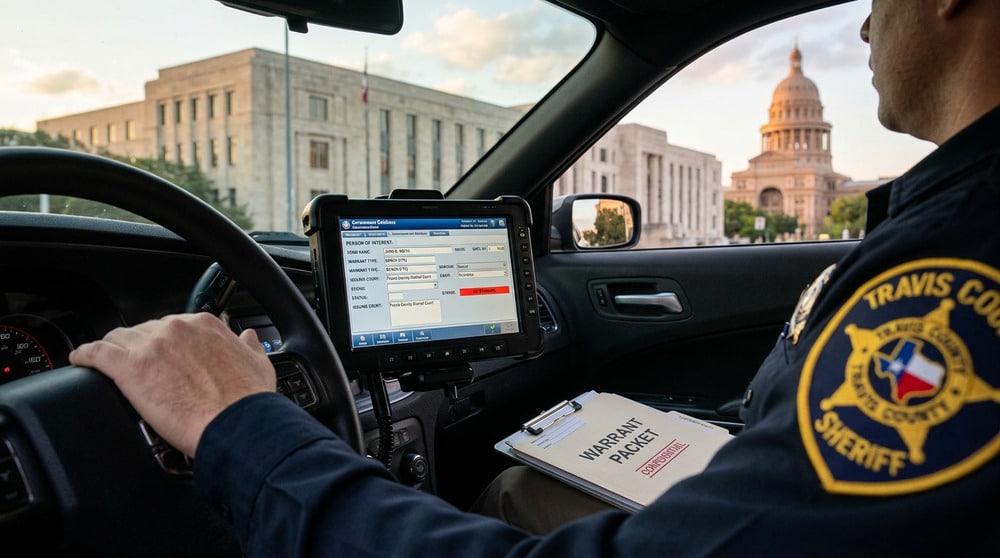
A bench warrant in Texas is not something to ignore or delay. It means a judge has ordered law enforcement to take you into custody, often because of a missed court date, a bond violation, or failure to comply with a court order. Many people first learn about a bench warrant during a routine traffic stop or after receiving a notice in the mail. Others only find out when officers arrive at their home or workplace. The situation can escalate quickly, and the consequences can be serious if it is not handled correctly. Acting quickly and strategically can make a significant difference in how the case is resolved and whether additional charges or penalties are imposed.
What Is A Bench Warrant In Texas
A bench warrant is issued directly by a judge when a person fails to appear in court or violates a court order. It is different from an arrest warrant, which is typically issued based on probable cause of a new offense. Bench warrants are rooted in the court’s authority to enforce compliance with its orders.
Under the Texas Code of Criminal Procedure Article 23.01, a warrant of arrest may be issued when a complaint is made before a magistrate. In the context of bench warrants, the authority stems from the court’s power to compel attendance and ensure compliance with judicial proceedings. Courts also rely on the Texas Code of Criminal Procedure Article 45.014 in misdemeanor cases, which allows a judge to issue a warrant when a defendant fails to appear.
Once issued, a bench warrant gives law enforcement the authority to arrest you at any time, including during a traffic stop, at your home, or even at your workplace.
Common Reasons Bench Warrants Are Issued
Bench warrants often arise from situations that may seem minor at first but carry serious consequences when ignored. The most common reasons include:
- Missing a scheduled court date
- Failing to pay fines or court costs
- Violating the conditions of the bond or probation
- Ignoring a subpoena
- Failing to complete court-ordered programs
Even a simple misunderstanding or scheduling conflict can lead to a warrant if the court is not properly notified. Once the warrant is active, it does not expire on its own.
What Happens After A Bench Warrant Is Issued
Once a bench warrant is issued, it is entered into law enforcement databases across Texas. This means any officer who runs your name during a stop can see the warrant.
Possible consequences include:
- Immediate arrest and transport to jail
- Being held without bond in certain situations
- Additional charges for failure to appear under Texas Penal Code §38.10
- Increased bond amounts if the case is reinstated
- Negative impact on ongoing criminal cases
In many Galveston County cases, individuals are taken into custody and required to wait for a hearing before a judge can reconsider bond or release conditions.
Failure To Appear Charges In Texas
Failing to appear in court can result in a separate criminal charge. Under Texas Penal Code §38.10, a person commits an offense if they are lawfully released from custody and intentionally or knowingly fail to appear in court as required.
The level of the offense depends on the underlying charge:
- Class C misdemeanor if the original offense was punishable by fine only
- Class A misdemeanor if the original charge was a misdemeanor punishable by jail
- Third-degree felony if the original charge was a felony
This means a missed court date can turn a manageable case into something far more serious.
Immediate Steps To Take If You Have A Bench Warrant
Taking immediate action is critical. Waiting increases the risk of arrest and can limit available legal options.
Confirm The Warrant
The first step is to confirm whether a warrant actually exists. This can be done through:
- Court records
- Online databases in some counties
- Contacting a defense lawyer who can verify it quickly
Mistakes do happen, and it is important to confirm the details before taking further action.
Do Not Ignore The Situation
Ignoring a bench warrant does not make it go away. It often leads to more serious consequences, including arrest in an inconvenient or public setting.
Contact A Criminal Defense Lawyer Immediately
Early legal intervention allows for a more controlled response. In many cases, we can:
- Contact the court on your behalf.
- Arrange for a voluntary surrender.
- Request that the warrant be withdrawn.
- Prepare arguments to reduce bond or avoid jail time.
Handling the situation proactively often results in better outcomes.
Consider A Voluntary Surrender Strategy
Walking into court or coordinating a surrender through counsel can demonstrate good faith. Judges often view voluntary compliance more favorably than being arrested unexpectedly.
This approach may help reduce:
- Time spent in custody
- Bond amounts
- Risk of additional penalties
How Bench Warrants Affect Ongoing Criminal Cases
A bench warrant can significantly complicate an existing case. Judges may view the failure to appear as a sign that the defendant is not taking the process seriously.
This can lead to:
- Revocation of bond
- Stricter bond conditions
- Less favorable plea negotiations
- Increased scrutiny from prosecutors
In felony cases, this can also impact how the court evaluates credibility and compliance moving forward.
Bond And Release After Arrest On A Bench Warrant
After an arrest on a bench warrant, release is not automatic. The court must address the warrant and determine whether to reinstate the bond.
Factors the judge may consider include:
- Reason for missing court
- Criminal history
- Prior compliance with court orders
- Risk of future nonappearance
In some cases, the court may impose a higher bond or additional conditions such as electronic monitoring or regular check-ins.
Can A Bench Warrant Be Recalled Or Lifted
Yes, in many cases, a bench warrant can be recalled or lifted. This typically requires:
- Filing a motion with the court
- Appearing before the judge
- Providing a valid explanation for the failure to appear
Courts in Galveston County and Houston often consider whether the absence was intentional or due to circumstances beyond your control.
Strong legal advocacy can help present your situation in the most favorable light.
Differences Between Bench Warrants And Arrest Warrants
Understanding the distinction is important:
- Bench warrants are issued by a judge for failure to comply with court orders.
- Arrest warrants are issued based on probable cause of a new criminal offense.
While both result in arrest authority, bench warrants often arise from procedural issues rather than new allegations.
Long-Term Consequences Of Ignoring A Bench Warrant
Ignoring a bench warrant can lead to lasting consequences that extend beyond the immediate case:
- Permanent criminal record issues
- Increased penalties in the underlying case
- Difficulty obtaining favorable plea agreements
- Impact on employment and background checks
Taking action early can prevent these outcomes and preserve legal options.
Frequently Asked Questions About Bench Warrants In Texas
What Should I Do First If I Learn There Is A Bench Warrant For Me
The first step is to confirm the warrant and understand the reason it was issued. Do not rely on secondhand information. Once confirmed, contact a criminal defense lawyer immediately to evaluate your options. Acting quickly allows for a controlled response instead of waiting for law enforcement to act. Early involvement can sometimes result in the warrant being lifted without arrest or help arrange a voluntary surrender under more favorable conditions.
Can I Be Arrested Anywhere For A Bench Warrant In Texas
Yes. A bench warrant allows law enforcement to arrest you at any time and in almost any location. This includes routine traffic stops, your home, or even your workplace. Many people are caught off guard when a simple interaction with police turns into an arrest. This is why addressing the warrant proactively is critical.
Will I Automatically Go To Jail If I Have A Bench Warrant
Not always, but it is a real possibility. Some cases allow for resolution without jail if handled quickly and properly through the court. However, if you are arrested unexpectedly, you may be taken into custody and required to wait for a hearing before release. Planning ahead with legal counsel can reduce the likelihood of extended time in custody.
Can A Bench Warrant Be Cleared Without Going To Court
In most cases, you will need to appear before a judge to resolve the warrant. However, a lawyer may be able to file motions or communicate with the court to set a hearing or arrange terms that minimize disruption. In limited situations, especially in lower-level cases, courts may agree to recall a warrant without arrest if proper steps are taken.
What Happens If I Missed Court By Accident?
Courts understand that mistakes and emergencies can happen. The key issue is how quickly and responsibly you respond. Providing documentation or a clear explanation can help mitigate the situation. Ignoring the problem, however, will make it much worse and may lead to additional charges.
Does A Bench Warrant Affect My Driver’s License?
It can. In some cases, especially involving traffic offenses or failure to resolve fines, the Texas Department of Public Safety may place holds or suspensions on your license. This can create additional legal exposure if you continue to drive without addressing the issue.
How Long Does A Bench Warrant Stay Active In Texas?
A bench warrant remains active until it is resolved by the court. It does not expire with time. Some individuals assume older warrants are no longer valid, but that is not the case. Years later, the warrant can still result in arrest.
Can A Bench Warrant Lead To A Felony Charge?
Yes, depending on the underlying case. Under Texas Penal Code §38.10, failure to appear can rise to a felony if the original charge was a felony. This can significantly increase the seriousness of the situation and potential penalties.
What Is The Best Way To Avoid Being Arrested On A Bench Warrant?
The most effective approach is to address the warrant proactively with legal counsel. This may involve scheduling a court appearance, filing motions, or arranging a voluntary surrender. Waiting increases the likelihood of arrest during an unexpected moment.
Will Hiring A Lawyer Really Make A Difference?
Yes. Bench warrant situations involve both legal strategy and timing. A lawyer can communicate with the court, present your circumstances, and work toward minimizing penalties or avoiding unnecessary custody. Having representation often leads to a more controlled and favorable resolution.
Call Our Galveston County Criminal Defense Attorneys For Help With A Bench Warrant
If you have a bench warrant in Galveston County or anywhere in the Houston area, taking immediate action can protect your freedom and your future. Mark Diaz & Associates represents clients facing active warrants and works to resolve these matters quickly and strategically.
When you hire me, you work directly with me. My clients have my personal cell phone number, because questions, emergencies, and concerns don’t always happen during business hours. You won’t be handed off to a junior associate or lost in a system where your case is one of dozens on a crowded docket. From arrest through resolution, I remain personally involved and accessible.
Call our Galveston warrant lawyer at Mark Diaz & Associates today by calling 409-515-6170 to schedule your free consultation and discuss your legal options. We represent clients in Galveston and throughout the city of Houston, Texas, and we are ready to take immediate steps to address your bench warrant and move your case forward.
