
Can A Federal Criminal Charge Be Resolved Without Going To Trial?
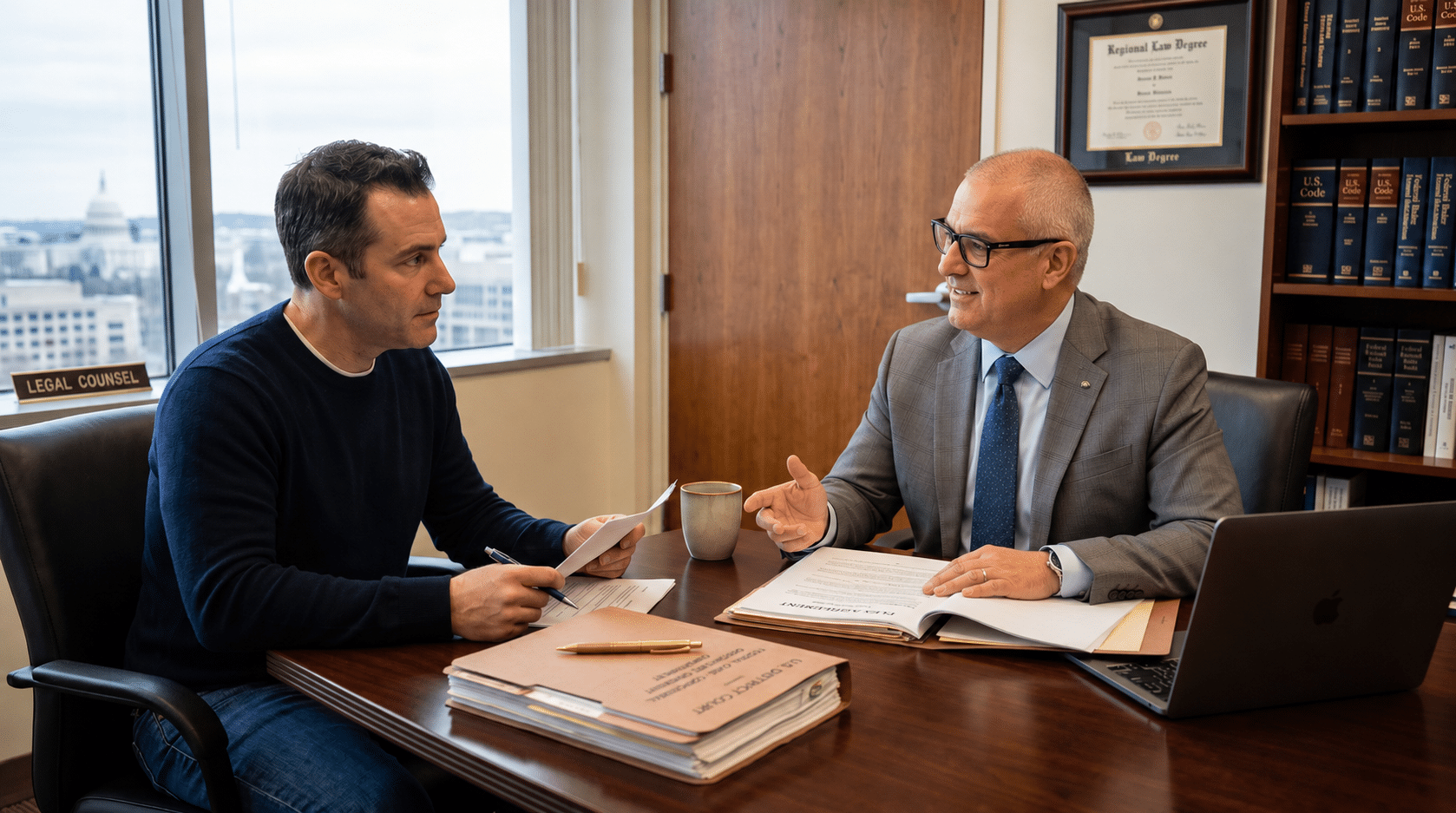
Being charged with a federal crime does not always mean you will go to trial. Many cases end before trial through motions, plea deals, dismissals, or other steps. Still, avoiding trial does not always mean avoiding a conviction, prison, fines, restitution, forfeiture, or supervised release. How your case is resolved can affect your charges, possible sentence, appeal rights, immigration status, job, and professional license. When we defend clients in Galveston or Houston, we look at every option and stay ready to go to trial if a fair outcome is not offered.
Federal Law Controls A Federal Criminal Prosecution
If you are charged with a federal crime in Galveston, your case is usually handled in the Galveston Division of the United States District Court for the Southern District of Texas. Even though the case is in Texas, federal law applies. Texas laws may matter if your federal charge is based on a past state conviction, related actions, firearm rules, or other Texas-specific issues, but most procedures follow federal law and the Federal Rules of Criminal Procedure.
This difference is important because federal cases work differently than those in Texas county or district courts. Federal investigators might spend months or years building a case before making an arrest. Prosecutors often use financial records, emails, informants, witnesses, wiretaps, surveillance, search warrants, and grand jury testimony. By the time you are indicted, the government may already have a lot of evidence. We start by looking at what the government can really prove, how they got their evidence, and whether any part of the case can be challenged before we discuss plea deals.
A Plea Agreement Is The Most Common Alternative To Trial
Many federal cases are settled through a negotiated guilty plea. Rule 11 of the Federal Rules of Criminal Procedure sets the rules for guilty pleas and plea agreements. This rule lets the government and defense agree to dismiss certain charges, make a specific sentencing recommendation, or set a binding sentence if the court approves. However, the court does not have to accept every agreement, and the exact wording of the agreement decides what each side has promised.
A plea agreement may allow a defendant to plead guilty to one count while the government dismisses other counts. It may also limit disputed sentencing allegations, resolve forfeiture issues, address restitution, or state whether the government will recommend a sentence at the lower end of the advisory guideline range. In some cases, the government may agree not to pursue additional known conduct. Every clause matters because federal plea agreements often contain waivers of the right to appeal the conviction or sentence and restrictions on later collateral challenges. Before advising a client to sign, we evaluate not only what the agreement provides but also what rights it requires the client to surrender.
Pleading Guilty Does Not Guarantee A Particular Sentence
A key thing to know about federal plea deals is that the prosecutor usually does not decide your final sentence. The judge decides, considering the law, the United States Sentencing Guidelines, the details of the offense, your background, the need for deterrence, public safety, treatment options, restitution, and fairness in sentencing. These factors are listed in 18 U.S.C. § 3553(a).
A prosecutor might agree to recommend a certain sentence, but the judge does not have to follow that recommendation. The judge can give a higher or lower sentence as long as it is legal and justified. Some Rule 11 agreements can make a sentence binding if the court accepts them, but these are not available in every case and must be written carefully. We make sure our clients know the difference between a recommendation, an estimate, and a binding sentence. No good attorney should promise a specific sentence unless the agreement and law guarantee it.
Acceptance Of Responsibility May Reduce The Guideline Range
A defendant who truthfully accepts responsibility may qualify for a reduction under § 3E1.1 of the United States Sentencing Guidelines. The guideline generally permits a two-level decrease when the defendant clearly demonstrates acceptance of responsibility. In qualifying cases, an additional one-level reduction may be available when the defendant timely notifies the government of an intention to plead guilty, allowing the government and court to conserve resources.
This reduction can make a real difference in your sentencing range, but it is not automatic just because you plead guilty. Actions like obstructing the investigation, lying, destroying evidence, committing another crime, or denying what happened can put this reduction at risk. The timing of your plea also matters. We look at these issues early because a bad interview, talking to a witness without permission, or a careless comment to a probation officer can have serious, lasting effects.
Pretrial Motions Can Resolve A Case Without A Trial
You do not always have to plead guilty to avoid trial. Rule 12 of the Federal Rules of Criminal Procedure lets both sides raise defenses, objections, and requests that can be decided without a full trial. Your defense attorney might challenge an illegal search, a forced statement, a flawed indictment, the wrong court location, a discovery problem, or other legal issues that could weaken the government’s case.
If a motion to suppress is successful, the government may not be able to use certain evidence like drugs, firearms, financial records, digital files, or your statements. If this evidence is important to their case, they might dismiss the charges, offer a lesser charge, or improve their plea offer. Challenging the indictment can also remove charges if there are legal problems. While these results are not guaranteed, strong motions can improve your position before trial.
The Government May Dismiss Federal Charges
Federal Rule of Criminal Procedure 48 permits the government, with leave of court, to dismiss an indictment, information, or complaint. The court may also dismiss when unnecessary delay occurs in presenting a charge to a grand jury, filing an information, or bringing the defendant to trial.
A dismissal may occur because evidence has been suppressed, a witness is no longer credible, the government cannot establish an essential element, newly discovered evidence supports the defense, or continued prosecution is no longer justified. In other cases, dismissal of certain counts is part of a plea agreement covering the remaining charge. The legal effect of the dismissal depends on whether it is entered with or without prejudice and whether another prosecution remains possible. We do not treat an oral assurance from an agent or prosecutor as a final resolution. The terms must be clearly documented and formally entered in the court record.
Cooperation Can Affect The Resolution And Sentence
Some federal cases involve cooperation with investigators or prosecutors. Under U.S.S.G. § 5K1.1, the government may file a motion asking the court to impose a sentence below the guideline range when a defendant has provided substantial assistance in investigating or prosecuting another person. Rule 35 may also permit a later sentence reduction based on substantial assistance provided after sentencing.
Cooperation is not appropriate for every client, and it carries serious risks. A person may be asked to disclose criminal conduct, provide documents, participate in recorded communications, testify before a grand jury, or appear as a witness. The government decides whether the assistance is substantial enough to justify a motion in most circumstances. A defendant should never attempt informal cooperation without legal representation because statements can expand criminal exposure, create safety concerns, or produce no enforceable benefit. We require the terms and expectations to be addressed as clearly as possible before a client provides information.
Deferred Prosecution And Non-Prosecution Agreements Are Limited Options
In certain matters, federal prosecutors may consider a deferred prosecution agreement or a non-prosecution agreement. These resolutions are more frequently discussed in corporate cases, where the Department of Justice recognizes them as alternatives between declining prosecution and obtaining a criminal conviction. They may require cooperation, payment of restitution, compliance reforms, monitoring, forfeiture, or other conditions.
Individual defendants should not assume that such an agreement will be offered. Eligibility depends heavily on the offense, evidence, criminal history, prosecutorial policy, cooperation, victim interests, and other case-specific facts. Even when pretrial diversion or another alternative disposition is theoretically available, prosecutors retain substantial discretion. We can present mitigating information and explain why an alternative resolution serves the interests of justice, but we also prepare for the possibility that the government will insist on a conviction.
The Presentence Report Can Shape The Final Outcome
After a guilty plea, a United States probation officer usually conducts a presentence investigation and prepares a presentence report under Federal Rule of Criminal Procedure 32 and 18 U.S.C. § 3552. The report typically addresses the offense conduct, criminal history, guideline calculations, personal background, financial circumstances, restitution, and other information relevant to sentencing. The parties are allowed to submit written objections to disputed information and guideline calculations.
This stage should not be treated as a routine administrative step. An error involving loss amount, drug quantity, firearm possession, leadership role, obstruction, number of victims, criminal history, or another enhancement may add years to the advisory range. Statements made during the presentence interview may also affect the probation officer’s conclusions about acceptance of responsibility. We prepare clients before the interview, review the report closely, file supported objections, and present mitigating evidence that gives the court a complete picture of the client’s life and circumstances.
A Non-trial Resolution Can Still Carry Serious Consequences
Resolving a federal charge without trial may reduce risk, but it can still produce lasting consequences. A conviction may result in incarceration, probation, supervised release, fines, restitution, special assessments, forfeiture, immigration problems, loss of firearm rights, professional discipline, employment barriers, and restrictions on housing or federal benefits. The authorized sentence depends on the particular offense statutes and the sentencing provisions of Title 18.
A plea may also contain an appeal waiver. Under Rule 11, the court must address a defendant’s waiver of appellate rights before accepting a plea containing such a provision. The scope of the waiver depends on its wording, and broad language may sharply restrict later challenges to the sentence or conviction.
We compare the known consequences of a proposed agreement with the risks of trial. That analysis includes the strength of the evidence, possible mandatory minimum sentences, guideline exposure, witness credibility, admissibility disputes, defenses, trial penalties, collateral consequences, and the client’s personal priorities. The correct decision cannot be made from a generic formula.
Trial Preparation Often Produces Better Non-trial Results
Serious plea negotiations are most effective when the government knows the defense is prepared to litigate. Prosecutors are less likely to make meaningful concessions when they believe the defense has not reviewed discovery, investigated witnesses, analyzed digital evidence, retained necessary professionals, or identified legal challenges. Preparing for trial does not prevent negotiation. It often gives negotiations greater force.
We examine the indictment count by count, test the government’s evidence against each statutory element, study agent reports and recordings, review search warrants, evaluate witness motives, trace financial transactions, and identify conflicts within the evidence. That work may reveal a defense that supports dismissal or acquittal. It may also establish factual grounds for a reduced charge or lower sentencing position. A non-trial resolution should result from informed strategy, not fear or pressure.
Speak With Our Federal Criminal Defense Lawyer To Defend Your Case
A federal investigation or indictment requires immediate, disciplined attention. The decision to negotiate, file pretrial motions, seek dismissal, cooperate, enter a plea, or proceed to trial should be based on a full review of the evidence and sentencing exposure. At Mark Diaz & Associates, we defend clients facing federal allegations in Galveston, Houston, and throughout the Southern District of Texas. We examine the government’s case closely, explain the available options in direct terms, and prepare every matter with the seriousness required by federal court.
When you hire me, you work directly with me. My clients have my personal cell phone number because questions, emergencies, and concerns do not always happen during business hours. You will not be handed off to a junior associate or lost in a system where your case is one of dozens on a crowded docket. From the investigation and arrest through negotiations, motions, sentencing, or trial, I remain personally involved and accessible.
Contact our Galveston federal crimes attorney at Mark Diaz & Associates by calling 409-515-6170 to schedule your free consultation. The firm represents clients in Galveston and throughout the city of Houston, Texas.
