
Can A Sex Crime Case Continue Without The Alleged Victim’s Cooperation?
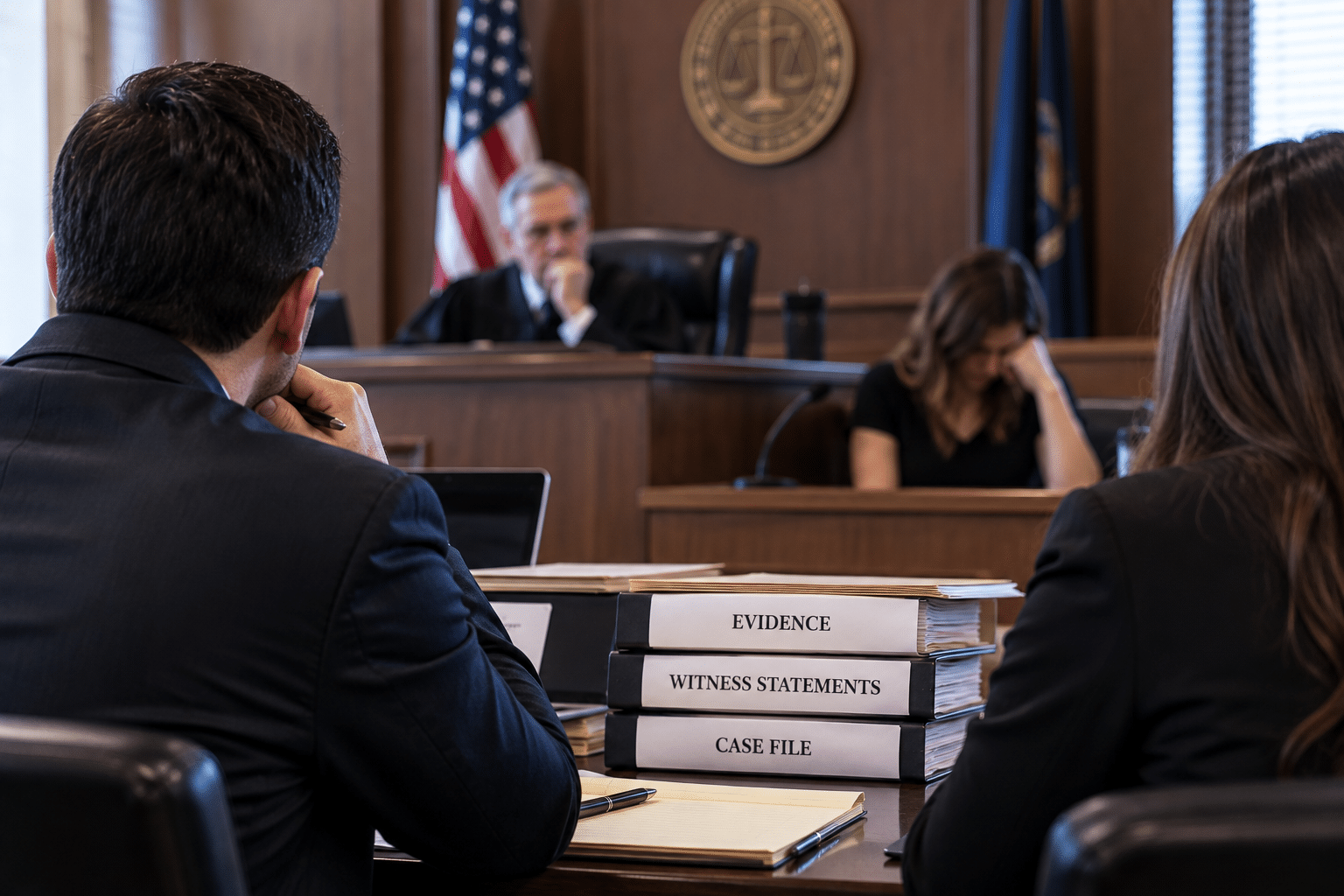
A person accused of a sex crime may believe the case will disappear if the alleged victim no longer wants to cooperate with police or prosecutors. That assumption can create serious problems. In Texas, the alleged victim does not control whether criminal charges are filed, prosecuted, reduced, or dismissed. Once law enforcement and prosecutors become involved, the State of Texas controls the criminal case. An alleged victim’s refusal to participate may weaken the prosecution in some situations, but it does not automatically require the prosecutor to drop the charge. When we defend someone accused of a sexual offense, we look closely at what evidence remains available, what statements can legally be admitted, whether the State can compel testimony, and whether the prosecution can prove every element beyond a reasonable doubt.
The State Of Texas Controls The Criminal Prosecution
A criminal case is brought by the State, not by the person who reported the alleged offense. Texas Code of Criminal Procedure Article 2A.102 provides that a district attorney represents the State in criminal cases within the district courts of that prosecutor’s district. This means an alleged victim generally cannot simply “drop the charges” after an arrest or criminal investigation begins.
An alleged victim can tell prosecutors that he or she does not want to participate. The person may also dispute an earlier statement, decline voluntary interviews, or tell prosecutors that prosecution is no longer desired. Those developments can affect the strength of the case, but the prosecutor decides whether to continue the prosecution.
The Texas Constitution makes this distinction especially clear. Crime victims have important rights, but a victim does not become a party to the criminal prosecution and does not have the legal authority to control the disposition of a criminal charge.
Sexual Assault Charges Can Carry Severe Consequences
The stakes are especially high when the accusation involves sexual assault. Texas Penal Code § 22.011 defines several forms of sexual assault, including certain sexual acts committed without another person’s consent and specified sexual conduct involving a child. The statute also describes circumstances under which conduct is considered to have occurred without consent.
Aggravated sexual assault under Texas Penal Code § 22.021 involves additional circumstances specified by law, including certain cases involving serious bodily injury, threats, deadly weapons, particular substances, or younger victims. Aggravated sexual assault is generally a first-degree felony, and some cases involving young children carry enhanced minimum punishment provisions.
Because the potential consequences are so serious, we do not assume that an uncooperative witness will cause the prosecution to disappear. We determine what the prosecutor can actually prove without that person’s voluntary assistance.
Prosecutors May Try To Proceed With Other Evidence
A sex crime investigation can generate evidence from many sources. Even if the alleged victim stops communicating with prosecutors, police may already possess text messages, social media communications, photographs, videos, recorded calls, medical records, forensic examination evidence, witness statements, DNA evidence, location records, or statements made by the accused.
The importance of this evidence depends entirely on the facts. Physical evidence may establish that sexual contact occurred without resolving whether it was consensual. A text conversation might support one side’s account while undermining another. Witness testimony may also be limited to what another person observed rather than what actually happened between the accused and the complainant.
Our job is to examine each piece of evidence separately rather than treating the accusation itself as proof. The prosecution still carries the burden of proving the charged offense beyond a reasonable doubt.
The Alleged Victim May Be Subpoenaed To Court
Refusing to cooperate voluntarily is not necessarily the same as having the legal right to refuse to testify. Texas Code of Criminal Procedure Article 24.01 permits a subpoena to require a person to appear and testify in a criminal action or other qualifying criminal proceeding.
That means prosecutors may subpoena an alleged victim even when that person does not want to participate in the prosecution. Whether testimony can ultimately be compelled can depend on the circumstances, including applicable privileges, constitutional protections, court orders, and other legal issues.
A defendant should never attempt to persuade an alleged victim to ignore a subpoena, change testimony, disappear, or refuse cooperation. Direct or indirect attempts to interfere with a witness can create separate legal problems and may also damage the defense in the original case.
Earlier Statements May Become An Important Issue
When an alleged victim refuses to testify or changes an account, prosecutors may attempt to rely on statements previously made to police officers, medical personnel, family members, forensic interviewers, or other people. Whether those statements can be admitted at trial depends on the Texas Rules of Evidence, constitutional confrontation protections, and any applicable statutory exceptions.
One important Texas provision is Code of Criminal Procedure Article 38.072. In certain prosecutions involving victims younger than 18 or persons with disabilities, the statute establishes procedures governing particular hearsay statements describing alleged abuse. The statute applies to specified offenses, including sexual offenses under Chapters 21 and 22 of the Texas Penal Code.
Child cases therefore require especially careful analysis. A prosecutor may have evidentiary options that do not exist in the same form in a case involving an adult complainant.
Texas Law Does Not Always Require Independent Corroboration
Another important provision is Texas Code of Criminal Procedure Article 38.07. Subject to the statute’s requirements, a conviction for certain sexual offenses can be supported by the uncorroborated testimony of the alleged victim. For many adult cases, the statute addresses whether the alleged victim informed another person of the alleged offense within one year. It also contains exceptions to that requirement for specified categories of victims, including certain younger, older, and vulnerable individuals.
This is why we do not automatically treat the absence of DNA, eyewitnesses, or other physical evidence as fatal to the prosecution. At the same time, a case based heavily on one person’s account creates important areas for defense investigation, including inconsistencies, prior statements, timing, communications between the parties, motive, credibility issues, and evidence inconsistent with the accusation.
A Recantation Does Not Automatically End The Case
Sometimes an alleged victim changes or retracts an earlier accusation. A recantation can be important, but prosecutors may not immediately accept it as proof that the first accusation was false. They may instead investigate why the person’s story changed.
The prosecutor could compare the original report with later statements, digital communications, recordings, medical evidence, witness accounts, and other evidence. The defense should conduct its own analysis rather than accepting either version without scrutiny.
What matters is not simply whether somebody “took back” an accusation. The legal question is what admissible evidence remains and whether that evidence can establish every required element of the charged offense beyond a reasonable doubt.
Witness Unavailability Can Raise Additional Evidentiary Issues
Texas law also addresses situations in which a party intentionally causes a witness to become unavailable. Code of Criminal Procedure Article 38.49 contains Texas’s forfeiture-by-wrongdoing provision. When the required legal showing is made, a party who wrongfully caused a witness’s unavailability may lose certain objections to evidence or statements resulting from that witness being unavailable.
This is another reason an accused person should not contact an alleged victim about testimony, cooperation, or the prosecution without discussing the situation with defense counsel. Even contact that the accused considers harmless could be interpreted differently by prosecutors or investigators.
Lack Of Cooperation Can Still Matter To The Defense
Although lack of cooperation does not automatically produce a dismissal, it can substantially change a case. If an essential witness refuses to testify and the prosecution cannot legally introduce prior statements, proving the charge may become much more difficult. If the witness gives inconsistent accounts, those discrepancies may also become significant to credibility and reasonable doubt.
We examine the initial complaint, police reports, recordings, forensic interviews, text messages, social media records, medical evidence, physical evidence, and every later statement. We also compare what the State claims happened with objective evidence such as timestamps, location data, photographs, security footage, and communications between the people involved.
The proper defense strategy depends on the evidence, not merely on whether the alleged victim says he or she wants the case dismissed.
FAQs About Sex Crime Cases And Alleged Victim Cooperation In Texas
Can The Alleged Victim Drop A Sexual Assault Charge In Texas?
An alleged victim generally cannot personally dismiss a Texas criminal charge. The prosecution is brought by the State of Texas, and the prosecuting attorney decides whether to continue, modify, negotiate, or seek dismissal of the case. District attorneys represent the State in criminal cases under Texas Code of Criminal Procedure Article 2A.102.
An alleged victim can tell prosecutors that prosecution is no longer desired, and prosecutors may consider that position. It does not bind them, however. Prosecutors may decide that other available evidence provides a basis to continue pursuing the charge.
What Happens If The Alleged Victim Refuses To Testify?
The answer depends on why the person is refusing and what legal process has occurred. Prosecutors may seek a subpoena requiring the alleged victim to appear in court. Article 24.01 of the Texas Code of Criminal Procedure authorizes subpoenas requiring witnesses to appear and testify in criminal proceedings.
If the person ultimately does not testify, the court may have to determine which other statements or evidence can legally be admitted. Those questions can involve hearsay rules, confrontation rights, statutory exceptions, and the circumstances under which earlier statements were made. The outcome can differ substantially from one case to another.
Can Someone Be Convicted Of Sexual Assault Without DNA Evidence?
Yes. DNA evidence is not legally required in every Texas sexual assault prosecution. Texas Code of Criminal Procedure Article 38.07 provides circumstances in which the testimony of a sexual offense victim can support a conviction without corroborating evidence. The statute includes specific requirements and exceptions based on the alleged victim’s age and circumstances.
The absence of DNA may still matter in a particular defense. Its significance depends on what the State alleges occurred, whether DNA would reasonably be expected, what testing was performed, and what other evidence exists. We evaluate the entire evidentiary record rather than assuming that either the presence or absence of DNA determines the case.
What If The Alleged Victim Says The Original Accusation Was False?
A recantation deserves careful investigation, but it does not automatically cause the prosecution to dismiss the case. Prosecutors may compare the new statement with the original report and other available evidence. They may also investigate whether they believe someone pressured or influenced the witness.
From a defense perspective, materially inconsistent accounts can be significant. We want to know exactly what was originally said, how the statement was obtained, what changed, when it changed, and whether objective evidence supports one version over another. The credibility implications may become central to the defense.
Discuss Your Galveston Sex Crime Defense With Mark Diaz & Associates
A sex crime accusation can threaten your freedom, reputation, career, family relationships, and future. An alleged victim’s unwillingness to cooperate may become an important part of the defense, but it should never be assumed that the case will simply disappear. We examine what evidence the prosecution actually possesses, whether earlier statements are admissible, whether witnesses can be compelled to testify, and whether the State can prove each required element beyond a reasonable doubt.
Mark Diaz also believes clients should have direct access to the lawyer responsible for their defense. When you hire me, you work directly with me. My clients have my personal cell phone number because questions, emergencies, and concerns do not always happen during business hours. You will not be handed off to a junior associate or lost in a system where your case is simply one of dozens on a crowded docket. From arrest through resolution, I remain personally involved and accessible.
If you have been arrested, investigated, or accused of a sex crime in Galveston or the Houston area, call our Galveston sex crime lawyer at Mark Diaz & Associates today at 409-515-6170 to schedule your free consultation.
