
Can You Be Arrested Weeks Or Months After A Criminal Investigation Begins?
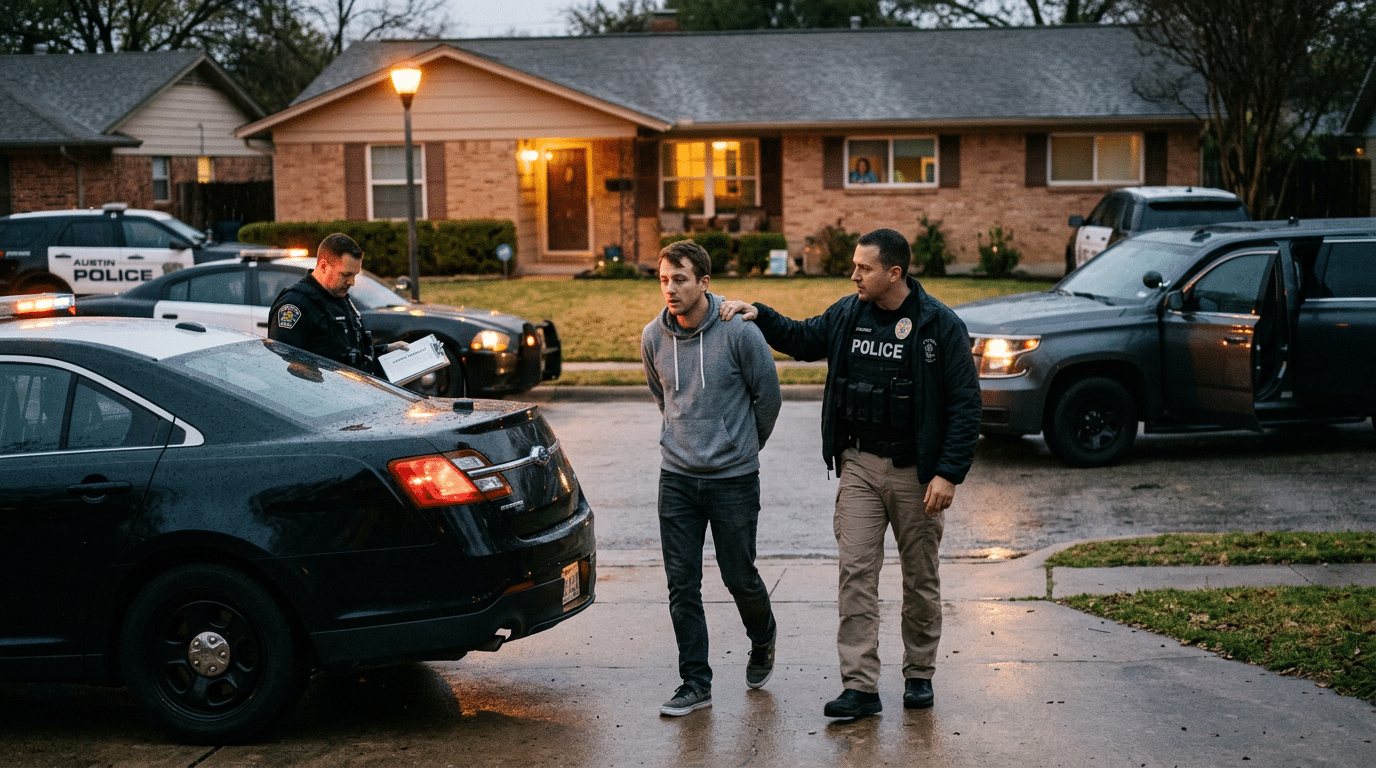
A criminal investigation does not always lead to an immediate arrest. In Galveston County, police often spend days, weeks, or even months gathering information before deciding whether to file charges. They might talk to witnesses, check surveillance videos, look at phones, wait for lab results, collect financial records, or show evidence to prosecutors before asking for an arrest warrant.
Sometimes, people think the issue has gone away because the police stop calling, but later find out a warrant was issued. When we represent someone who thinks they are under investigation, we take it seriously. Just because there is no quick arrest does not mean the case is over.
Texas Police Do Not Have To Make An Arrest Immediately
Texas law does not require police to arrest someone right away if they think a crime happened. Investigators can keep collecting evidence before deciding if there is enough reason to arrest or get a warrant.
Under Article 15.01 of the Texas Code of Criminal Procedure, an arrest warrant is a written order from a magistrate directing that a person accused of an offense be taken into custody. Article 15.03 allows a magistrate to issue a warrant when legally authorized and when allegations supporting an offense are properly presented.
This means detectives may keep working on the case to gather more evidence. In complex cases, prosecutors might ask for more proof before filing charges. For example, drug cases often need lab tests, assault cases may need medical records and witness statements, and financial crimes might require bank records or digital evidence. Delayed arrests are also common in cases like sexual offenses, organized crime, fraud, or large-scale drug cases.
An Arrest Warrant Can Be Issued After The Investigation Develops
When investigators believe they have established probable cause, they may seek an arrest warrant from a magistrate. Texas Code of Criminal Procedure Article 15.02 requires the warrant to identify or reasonably describe the accused, state that the person is accused of an offense under Texas law, and be signed by the magistrate.
A warrant can be issued without the suspect knowing the investigation has reached that point. People often go about their daily lives until officers show up at their home or work, or until the warrant comes up during a traffic stop or another encounter with police.
If we find out a client might be under investigation, we check if charges or a warrant could already exist. Taking action before an unexpected arrest can give us a chance to talk to investigators or prosecutors and get ready for what comes next.
Investigators May Spend Months Collecting Evidence
A long investigation does not always mean police have no evidence. Sometimes, the delay happens because they are still gathering more information.
Detectives might get search warrants for phones, computers, homes, cars, or online accounts. They could also request financial records, gather surveillance videos, talk to more witnesses, or wait for lab results. Investigators may compare what a suspect says to other records before deciding what to do next.
In drug cases, officers might watch suspects or make controlled buys before making arrests. In conspiracy cases, investigators may wait to arrest people while they try to find others involved. In fraud and theft cases, going through business or bank records can take a lot of time.
For that reason, we do not advise clients to assume that silence from police means an investigation has ended.
The Statute Of Limitations Can Allow Charges Years Later
Texas law places time limits on the filing of many criminal charges, but those periods are often much longer than a few weeks or months.
Article 12.02 of the Texas Code of Criminal Procedure generally provides a two-year limitations period for Class A and Class B misdemeanors, although certain misdemeanor offenses have different periods.
Felony limitations periods vary considerably. Article 12.01 establishes different deadlines depending on the offense. Some crimes have limitations periods of several years, while certain serious offenses have no limitations period at all. For example, Texas law provides no limitations period for murder and certain sexual offenses and human-trafficking crimes.
The statute of limitations is not the same as a rule that police must arrest someone quickly. Depending on the crime and the details, a person could be charged months or even years after the alleged event.
Police Silence Does Not Mean The Case Was Rejected
One of the most dangerous assumptions a person can make is that a case must have been dropped because several weeks have passed without another phone call from a detective.
Police and prosecutors are not generally required to provide a suspect with continuous updates about an investigation. Evidence may be reviewed without the suspect’s knowledge, and prosecutors may be considering charges while the person remains unaware of what is happening.
In some cases, investigators purposely avoid further contact with a suspect while they gather evidence from other sources. The next contact could come when officers execute an arrest warrant.
When someone has already been questioned, received a detective’s business card, learned that witnesses are being interviewed, or discovered that police have requested records, we may be able to evaluate what type of investigation appears to be underway and what legal exposure may exist.
What You Say During A Delayed Investigation Can Matter
Weeks or months between the beginning of an investigation and an arrest can create opportunities for law enforcement to obtain additional statements. Detectives may call again and say they simply want to clear something up. They may suggest that speaking voluntarily will help resolve the matter.
Statements made during those conversations can later become evidence.
We are cautious when a client is asked to give another statement after becoming the focus of an investigation. Even a person who believes they have done nothing wrong can create problems by guessing, making an inaccurate statement, trying to explain incomplete information, or answering questions without knowing what evidence investigators already possess.
Having an attorney involved before further questioning allows us to evaluate whether speaking with law enforcement is advisable and to protect the client’s rights during a critical period.
An Arrest Can Occur After A Prosecutor Reviews The Case
Police are not always the final decision-makers regarding whether criminal charges are pursued. Investigators may submit their evidence to a district attorney or county attorney for review. Prosecutors may request additional investigation before deciding whether to proceed.
In felony cases, a grand jury may also become part of the charging process. The investigation therefore may remain active even when police fieldwork appears to have slowed down.
A later arrest may come as a surprise to the accused, but from the government’s perspective, the case may have been moving through several stages of review.
Delays Can Also Affect The Defense
An investigation that lasts several months can create challenges for both sides. Memories fade, surveillance recordings may be deleted, physical evidence may disappear, and witnesses can become difficult to locate.
For that reason, we often begin preserving potentially important defense evidence as early as possible. Waiting until after an arrest may mean valuable material is no longer available.
A defense investigation may include identifying witnesses, securing photographs or videos, preserving communications, reviewing location data, and developing a timeline of events. The sooner we understand what the allegation involves, the greater the opportunity may be to preserve information before it disappears.
Being Under Investigation Is Different From Being Charged
A criminal investigation does not necessarily mean charges will be filed. Police sometimes investigate allegations and conclude that the evidence does not establish a crime or does not identify the correct suspect.
At the same time, being told that no charges have been filed today does not guarantee that charges will not be filed later.
We distinguish carefully between an investigation, the issuance of an arrest warrant, the filing of a complaint or information, and a felony indictment. These are separate stages of the criminal process, and understanding where a case stands can affect what steps should be taken next.
Frequently Asked Questions About Delayed Arrests In Texas
Can Police Arrest Me Months After They First Questioned Me?
Yes. Texas law does not generally require officers to make an arrest immediately after questioning a suspect. Police can continue investigating and later seek an arrest warrant if they believe they have developed probable cause.
The applicable statute of limitations is usually far longer than a few months. Under Article 12.02 of the Texas Code of Criminal Procedure, many misdemeanors carry a two-year limitations period. Felony deadlines vary under Article 12.01, and some serious crimes have no limitations period.
When several months have passed, we look at what investigators may have been doing during that period, whether prosecutors have become involved, and whether evidence exists that could support or undermine the allegations.
If Police Have Not Contacted Me Recently, Does That Mean The Investigation Is Closed?
No. A lack of contact does not prove that an investigation has ended. Detectives may be interviewing other people, reviewing digital evidence, waiting for laboratory reports, or discussing the case with prosecutors.
In some investigations, police may have little reason to contact the suspect again until they are prepared to seek an arrest warrant. We therefore do not treat silence as confirmation that the matter has disappeared.
If there is a legitimate reason to believe you are under investigation, an attorney may be able to assess the circumstances and determine whether any proactive steps should be considered.
Can An Arrest Warrant Be Issued Without Telling Me?
Yes. A magistrate can issue an arrest warrant under Texas law without first notifying the person who is the subject of the warrant. Article 15.01 defines an arrest warrant as an order directing that the accused be taken into custody, while Article 15.03 establishes circumstances under which a magistrate may issue a warrant.
You might learn about the warrant when officers come to arrest you, during a traffic stop, or after your attorney investigates the status of the case.
This is one reason we take criminal investigations seriously before an arrest occurs.
Should I Call The Detective To Find Out Whether I Am Going To Be Arrested?
We generally recommend being cautious about contacting investigators directly when you believe you may be a criminal suspect. A seemingly simple conversation can become another opportunity for police to obtain statements that may later be used against you.
Detectives may ask additional questions instead of simply answering whether a warrant exists. You may also disclose information without realizing its importance to the investigation.
An attorney can communicate with law enforcement without placing you in a situation where you feel pressured to explain yourself or answer unexpected questions.
Speak With A Galveston Criminal Defense Lawyer About A Pending Investigation
If you believe Galveston or Houston-area law enforcement is investigating you, you do not have to wait for officers to arrive with an arrest warrant before speaking with a defense attorney. A criminal investigation can continue quietly for weeks or months while detectives collect records, interview witnesses, analyze phones, review surveillance footage, and present evidence to prosecutors. Mark Diaz & Associates can examine the circumstances, communicate with law enforcement when appropriate, preserve evidence, and prepare for possible criminal charges before the situation progresses further.
When you hire Mark Diaz & Associates, you work directly with your attorney. Our clients have direct access, including a personal cell phone number, because questions, emergencies, and concerns do not always happen during ordinary business hours. You will not simply be handed off to a junior associate or left wondering who is responsible for your defense. From the investigation and possible arrest through the resolution of the case, we remain personally involved, accessible, and informed about what is happening.
Mark Diaz & Associates represents clients in Galveston, throughout Houston, and across the surrounding Texas communities. If you believe you are under investigation, have learned that police are asking questions about you, or are concerned that an arrest warrant may be coming, contact our Galveston criminal law attorney by calling 409-515-6170 to schedule your free consultation.
