
DWI In Texas: License Suspension, Jail Risk, And What To Do Next
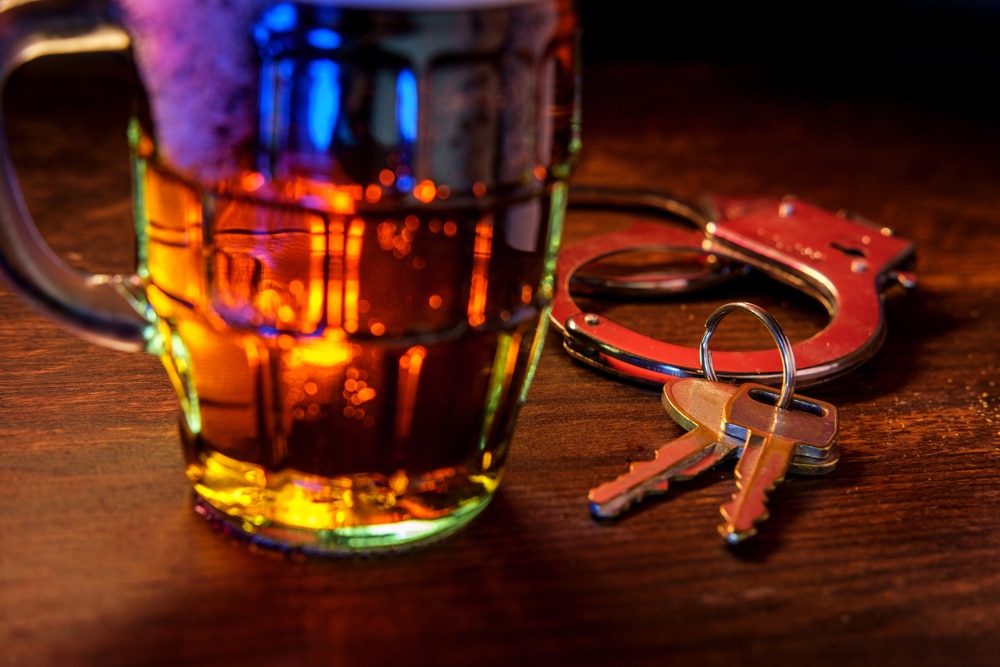
A DWI arrest in Texas is not a simple traffic matter. It is a criminal accusation that can threaten your freedom, your ability to drive, and your reputation in the community. Many people are shocked by how quickly the process moves and how severe the penalties can be, even for a first offense. The days immediately following an arrest are often filled with confusion, fear, and unanswered questions. What happens to your license, whether you will go to jail, and how this charge will affect your future are all valid concerns. Understanding how the Texas DWI law works is the first step toward protecting yourself and making informed decisions.
What Texas Law Considers Driving While Intoxicated
Under Texas Penal Code § 49.04, a person commits Driving While Intoxicated if they operate a motor vehicle in a public place while intoxicated. Texas law defines intoxication in two ways. The first is having a blood or breath alcohol concentration of 0.08 or higher. The second is losing the normal use of mental or physical faculties due to alcohol, drugs, or a combination of substances. This means a person can be charged even if their alcohol level is below 0.08.
A DWI charge does not require bad driving, an accident, or injuries. Many arrests occur after routine traffic stops, roadside investigations, or checkpoint-style patrols. Officers rely heavily on observations, field sobriety tests, and chemical testing. Each of these steps creates evidence that must meet strict legal standards.
First-Time DWI Charges And Criminal Penalties
A first DWI offense is typically charged as a Class B misdemeanor under Texas law. Possible penalties include up to 180 days in jail, a fine of up to $2,000, and a driver’s license suspension. If an open container is found in the vehicle, the charge may carry a minimum jail term of three days.
While many first-time offenders do not serve lengthy jail sentences, the risk is real. Courts can impose probation conditions that include jail time, alcohol education classes, ignition interlock devices, and regular monitoring. A conviction creates a permanent criminal record that does not automatically disappear.
Enhanced Charges For High Alcohol Levels
Texas Penal Code § 49.04(d) allows prosecutors to seek enhanced penalties if a person’s alcohol concentration is 0.15 or higher. In those cases, the charge may be elevated to a Class A misdemeanor. This increases the possible jail time to one year and raises the maximum fine to $4,000.
High alcohol cases often involve more aggressive prosecution. These cases may include stronger arguments for jail time, longer probation periods, and stricter supervision. Chemical testing procedures and machine accuracy often become central issues in defense.
Second And Third DWI Offenses In Texas
Repeat DWI charges carry significantly higher consequences. A second DWI offense is a Class A misdemeanor under Texas Penal Code § 49.09. A conviction may result in up to one year in jail, fines up to $4,000, and longer license suspensions.
A third DWI offense is charged as a third-degree felony. This offense carries a potential prison sentence of two to ten years and fines up to $10,000. Felony convictions also affect firearm rights, employment opportunities, and housing options.
License Suspension And The Texas ALR Process
One of the most misunderstood aspects of a DWI arrest is the Administrative License Revocation process. This is a civil action separate from the criminal case. Under Texas Transportation Code Chapter 724, your license can be suspended if you refuse a breath or blood test or if you submit to testing and fail.
If you fail a test with a result of 0.08 or higher, your license may be suspended for up to 90 days for a first offense. A refusal can result in a suspension of up to 180 days. These suspensions occur unless a hearing is requested within 15 days of arrest.
The ALR hearing is your opportunity to challenge the legality of the stop, the arrest, and the testing process. Many people lose their license simply because they miss this deadline.
Jail Risk And How Judges Decide Sentencing
Judges consider several factors when deciding jail time in DWI cases. These include prior criminal history, alcohol levels, whether an accident occurred, and how the arrest unfolded. Aggravating factors such as children in the vehicle, prior convictions, or injuries can lead to harsher outcomes.
Even when jail is not imposed immediately, courts may use suspended sentences or probation conditions that include confinement. Understanding the sentencing structure is critical when deciding how to approach a case.
DWI Involving Accidents Or Injuries
When a DWI involves an accident, the stakes increase dramatically. If another person is injured, charges may escalate to intoxication assault under Texas Penal Code § 49.07, a third-degree felony. If a death occurs, intoxication manslaughter under § 49.08 may apply, carrying severe prison exposure.
These cases often involve accident reconstruction, medical evidence, and complex causation issues. They require a careful review of every factual and legal detail.
What To Do Immediately After A DWI Arrest
The period after an arrest is critical. Statements made to law enforcement can be used against you. Deadlines begin running immediately for license suspension challenges. Evidence such as video footage, maintenance records, and witness statements must be preserved.
Waiting too long can limit your defense options. Early legal involvement often makes a measurable difference in the outcome of a case.
How Texas DWI Cases Are Defended
Every DWI case involves a series of legal steps that must comply with constitutional and statutory requirements. Defense strategies may focus on the traffic stop, field sobriety testing, breath or blood testing procedures, and the reliability of officer observations.
No two cases are the same. A detailed review of reports, recordings, and testing protocols is essential to identifying weaknesses in the prosecution’s case.
Texas DWI Frequently Asked Questions
What Happens To My License After A DWI Arrest In Texas?
After a DWI arrest, your driver’s license is not automatically suspended on the spot unless you refuse testing or fail a chemical test. Instead, you are typically issued a temporary driving permit. You have 15 days from the date of arrest to request an Administrative License Revocation hearing. If no hearing is requested, the suspension begins automatically. If a hearing is requested, you may continue driving until a decision is made. Many people lose their license simply by missing this deadline.
Can I Be Convicted Of DWI Without Failing A Breath Test?
Yes. Texas law allows a DWI conviction based on loss of normal mental or physical faculties. Prosecutors often rely on officer testimony, video footage, and field sobriety testing. Chemical test results are not required. These cases depend heavily on subjective observations, which can be challenged through careful legal analysis.
Will I Go To Jail For A First DWI In Texas?
Jail is a possibility, even for a first offense. While many first-time cases result in probation, judges have discretion to impose jail time. Factors such as alcohol level, open containers, and prior history influence sentencing. Jail exposure is real and should never be ignored.
How Long Does A DWI Stay On My Record In Texas?
A DWI conviction creates a permanent criminal record. Unlike some minor offenses, DWIconvictions are not automatically removed. Limited relief may be available in certain situations, but most convictions remain visible to employers and background checks.
What If I Refused A Breath Or Blood Test?
Refusing testing triggers an automatic license suspension unless challenged through the ALR process. Refusal cases often involve legal arguments about probable cause and arrest procedures. While refusal limits chemical evidence, it does not prevent prosecution.
Can I Get A Work Or Hardship License?
In some cases, Texas law allows for an occupational driver’s license that permits limited driving for work or essential needs. Eligibility depends on the nature of the suspension and prior history. Court approval is required.
Are Field Sobriety Tests Reliable?
Field sobriety tests are standardized but highly subjective. They are affected by medical conditions, footwear, weather, and nervousness. These tests are frequently challenged in court.
What Is An Ignition Interlock Device?
An ignition interlock device is a breath-testing mechanism installed in a vehicle that prevents operation if alcohol is detected. Courts may require interlock devices as a condition of bond or probation, especially in repeat cases.
Can A DWI Charge Be Reduced Or Dismissed?
Outcomes depend on the evidence, legal issues, and case handling. Some cases result in reduced charges or dismissals when legal violations or evidentiary problems are identified. Each case must be evaluated individually.
Should I Talk To Police After A DWI Arrest?
Statements made to law enforcement can significantly impact a case. Even casual comments may be used as evidence. Legal representation helps protect against self-incrimination.
Call Mark Diaz & Associates Today For Help With A Texas DWI Charge
A DWI charge in Texas carries real consequences, but you do not have to face it alone. At Mark Diaz & Associates, we defend individuals accused of DWI in Galveston and throughout the City of Houston, Texas. We understand how local courts handle these cases and how quickly a single mistake can affect your future.
When you hire me, you work directly with me. My clients have my personal cell phone number, because questions, emergencies, and concerns do not always happen during business hours. You will not be handed off to a junior associate or lost in a system where your case is one of dozens on a crowded docket. From arrest through resolution, I remain personally involved and accessible.
If you or a loved one has been arrested for DWI, time matters. Contact our Galveston DWI lawyer at Mark Diaz & Associates today by calling 409-515-6170 to schedule your free consultation. We are ready to stand with you, protect your rights, and fight for the strongest possible outcome.
