
Misuse of 911 Charges and Penalties in Texas
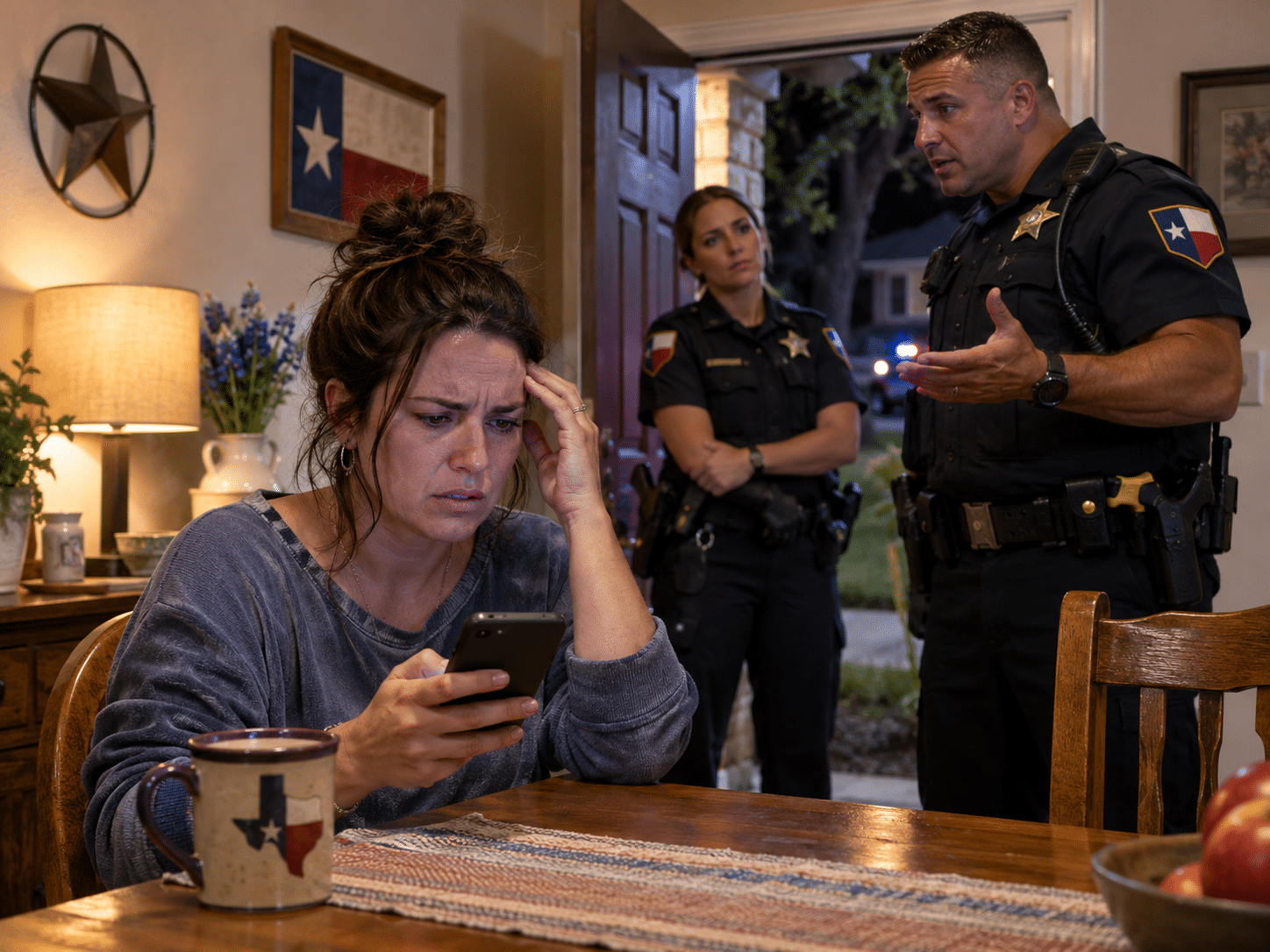
Calling 911 is meant to connect people with police, firefighters, or medical help in an emergency. However, Texas law also makes it a crime to misuse the emergency system. Someone can be charged for knowingly making a non-emergency 911 call and either staying silent or making abusive or harassing statements to a dispatcher. More serious charges can happen if a person knowingly makes a false emergency report that leads police or emergency personnel to respond.
The outcome depends on what was said, why the call was made, and what happened as a result. Cases can range from misdemeanors to felonies. When we defend someone in Galveston who is accused of misusing 911, we review the full recording, dispatch records, the caller’s intent, the situation around the call, and whether the State can prove all legal requirements beyond a reasonable doubt.
A 911 case can come from situations that are more complex than what the first police report shows. Someone might call during an argument, think someone is in danger, get scared and hang up, or say things while under stress. Sometimes, prosecutors may say the caller made up an emergency to send police to someone else’s home or business. The legal results can be very different depending on what really happened.
We do not assume that every mistaken, emotional, or unnecessary 911 call is a crime. Texas law has specific mental-state requirements, and different laws cover different types of emergency calls. Knowing which law the State is using is one of the first steps in figuring out possible penalties and defenses.
Silent Or Abusive 911 Calls Can Lead To Criminal Charges
Texas Penal Code § 42.061 is titled Silent or Abusive Calls to 9-1-1 Service. The statute applies when someone makes a call to 911, or requests 911 assistance through an electronic communications device, when there is no emergency and knowingly or intentionally remains silent or makes abusive or harassing statements to an employee of the public safety answering point. The law also applies when a person knowingly permits a phone or another electronic communication device under that person’s control to be used by someone else in that manner.
The words “when there is not an emergency” are important. Someone who truly believes there is an emergency is not in the same situation as a person who knowingly calls 911 just to harass a dispatcher or stay silent. The State has to prove the right mental state and other legal elements, not just that the call was unnecessary.
Context is often key to the defense. We look at whether there were threats, violence, suspicious activity, a medical issue, or something else that made the person think emergency help was needed. The 911 recording is especially important because it lets us hear what was actually said, instead of just reading a later summary.
Misuse Of 911 Is Generally A Class B Misdemeanor
An offense under Texas Penal Code § 42.061 is a Class B misdemeanor. Under Texas Penal Code § 12.22, the ordinary punishment for a Class B misdemeanor can include up to 180 days in county jail and a fine of up to $2,000.
If you have no serious criminal history, hearing the word “misdemeanor” might make the charge seem minor. But it should not be ignored. A criminal case can mean arrest, booking, bond conditions, court dates, legal costs, and a criminal record if you are convicted.
The situation around the call can also lead to more charges. Someone who only uses abusive language toward a 911 worker is in a different situation than someone accused of falsely reporting a shooting, kidnapping, fire, burglary, or violent attack. In those cases, prosecutors may use other Texas laws about false alarms or false reports that cause emergency responses.
False 911 Reports Can Produce More Serious Charges
Texas Penal Code § 42.06 addresses false alarms or reports. A person can commit this offense by knowingly initiating, communicating, or circulating a report about a bombing, fire, criminal offense, or other emergency that the person knows is false or baseless and that would ordinarily cause action by an emergency agency, cause fear of imminent serious bodily injury, or disrupt the occupation or use of certain places or modes of transportation.
A violation of § 42.06 is generally a Class A misdemeanor. Texas Penal Code § 12.21 provides that a Class A misdemeanor can carry up to one year in county jail and a fine of up to $4,000. The false-report offense can rise to a state jail felony when the false emergency concerns certain schools, institutions of higher education, public communications, public transportation, utilities, or other specified public services.
False Reports That Trigger Police Responses Can Become Felonies
Texas Penal Code § 42.0601 specifically addresses a false report made to induce an emergency response. The statute applies when a person reports, or causes another person to report, a criminal offense or emergency to police, a law enforcement agency, a 911 service, another emergency agency, or certain government personnel while knowing that the report is false. The report must cause an emergency response, and the person making it must act recklessly regarding whether that response may directly cause bodily injury to someone.
The offense is generally a Class A misdemeanor, but the consequences can escalate. A person with two or more prior convictions under the statute can face a state jail felony. More seriously, the offense becomes a third-degree felony when the false report concerns a criminal offense, emergency responders act on that report, and someone suffers serious bodily injury or death as a direct result of lawful conduct arising from the response.
A Texas third-degree felony can mean two to ten years in prison and a fine of up to $10,000. These cases can go far beyond just wasting a dispatcher’s time.
Preventing Someone Else From Calling 911 Is A Different Crime
Some criminal cases involving 911 do not involve misuse by the caller at all. Texas Penal Code § 42.062 makes it an offense to knowingly prevent or interfere with another person’s ability to make an emergency call or otherwise request emergency assistance. The statute also covers recklessly rendering a phone or another electronic communication device unusable when it otherwise would have been used to request emergency assistance.
This charge often comes up during heated arguments when someone is accused of taking away, breaking, disconnecting, or blocking access to a phone. Texas law says an emergency includes situations where someone is, or is reasonably believed to be, afraid of an imminent assault or where property is at risk of imminent damage or destruction.
Interfering with an emergency request for help is usually a Class A misdemeanor. If someone has a prior conviction under this law, the charge can become a state jail felony. When a 911-related charge comes from a domestic dispute, we look closely to see if prosecutors are claiming misuse of the system, interference with someone else’s call, assault, or several charges from the same event.
The 911 Recording Can Be Critical Evidence
One unique thing about these cases is that the main event is often recorded from start to finish. Dispatch centers usually keep recordings and call details, so both sides can review the caller’s actual words, tone, pauses, and what the caller said was happening. This evidence can show a different story than what is in a short arrest report.
We look at what happened right before the call. Someone accused of making a false report might have gotten information from someone else and believed it was true. Another caller might have seen something that looked dangerous but was actually harmless. These details matter when the law requires the State to prove the person knew the report was false.
We also compare the recording with body-camera video, dispatch logs, text messages, witness statements, and the order of events. If prosecutors say the defendant knowingly made up an emergency, they still have to prove the right state of mind. Making a bad decision, misunderstanding, or having a wrong belief is not the same as knowingly making a false report.
Frequently Asked Questions About Misuse Of 911 Charges In Texas
How Much Jail Time Can You Get For Misuse Of 911 In Texas?
If you are charged under Texas Penal Code § 42.061 for making a silent or abusive non-emergency 911 call, it is a Class B misdemeanor. This can mean up to 180 days in county jail and a fine of up to $2,000. The punishment may change if the actions fall under a different 911-related law. Knowingly making a false emergency report is a Class A misdemeanor under Texas Penal Code § 42.06. Some false reports about schools, transportation, utilities, or public services can be state jail felonies. If a false report causes an emergency response and someone is seriously hurt or killed, it can lead to a third-degree felony under § 42.0601.
Is Accidentally Calling 911 A Crime In Texas?
Accidentally calling 911 is not automatically a crime under § 42.061. The law requires certain facts and that the person acted knowingly or intentionally. The State cannot just prove that someone’s phone called 911 and assume a crime happened.
Can You Be Charged For Making A False 911 Call In Texas?
Yes. If someone knowingly makes a false emergency report, they can be charged under Texas Penal Code § 42.06 or § 42.0601, depending on what was reported and what happened as a result. Section 42.06 usually covers knowingly false or baseless emergency reports that would normally cause emergency action, create fear of serious injury, or disrupt certain places or transportation.
Can A False 911 Call Become A Felony In Texas?
Yes. Some false reports under § 42.06 are state jail felonies if the emergency involves certain schools, transportation, communications, utilities, or public services. Section 42.0601 can also become a state jail felony if there are prior convictions as required.
What If I Thought There Was An Emergency But I Was Wrong?
This difference is very important. Some Texas emergency-report laws require proof that the person knew the report was false or had no basis. Someone who truly believed there was a crime, fire, assault, medical emergency, or other danger may be in a different legal position than someone who made up an emergency on purpose.
Speak With Mark Diaz & Associates About A 911-Related Criminal Charge
A misuse of 911 charge might seem minor at first, but Texas law allows for jail time for some misdemeanors and even felonies for certain false emergency reports. The details of the call are very important. At Mark Diaz & Associates, we review the full 911 recording, dispatch records, police reports, body-camera footage, witness statements, communications, and everything that led up to the emergency call.
We also check if prosecutors can prove the required mental state. A knowingly false report is not the same as a misunderstanding, a mistake, or an emotional call made when things seemed dangerous. If there are other charges along with the 911 accusation, we look at the whole case, not just each charge by itself.
When you hire Mark Diaz & Associates, you work directly with your attorney. Our clients get their attorney’s personal cell phone number because questions and emergencies can happen at any time. You won’t be passed off to a junior associate or lost in a big system. From arrest to the end of your case, we stay involved, easy to reach, and up to date on the evidence in your defense.
Mark Diaz & Associates helps people facing misdemeanor and felony charges in Galveston and all over Houston, Texas. If you have been arrested or are being investigated for misuse of 911, making a false emergency report, interfering with an emergency call, or a similar crime, contact our Galveston criminal defense attorney at Mark Diaz & Associates today by calling 409-515-6170 to schedule your free consultation.
