
What Happens After A Fatal Fight Leads To Manslaughter Charges In Galveston?
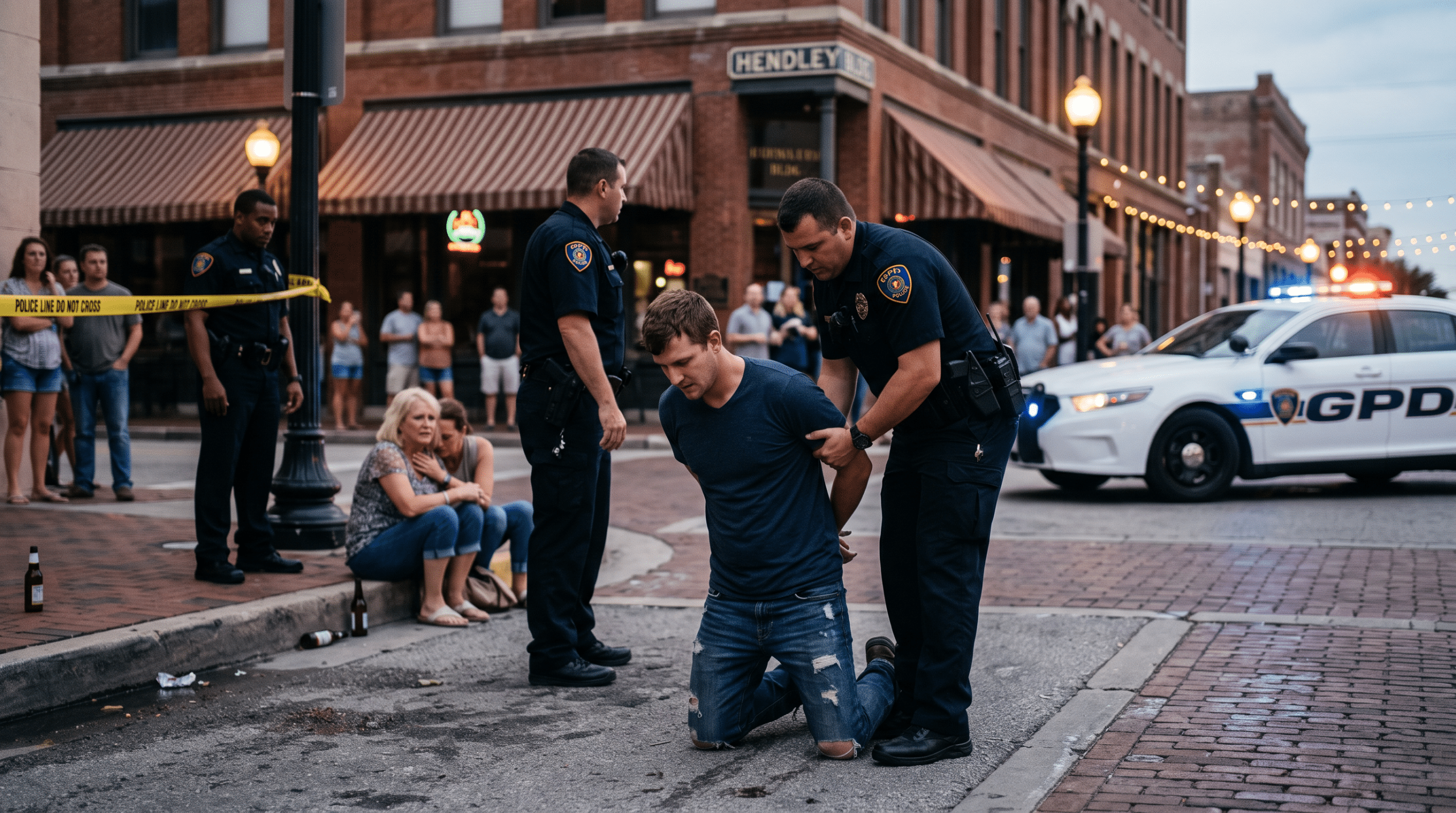
A fight that lasts just a few seconds can have life-changing consequences. If someone dies after being punched, kicked, pushed, hit with an object, or hurt during a fight, police may treat what seemed like an assault as a homicide. Even if the accused says there was no intent to kill, Texas prosecutors can still file a manslaughter charge.
The main issue is often whether the accused acted recklessly and if that behavior caused the death. When we handle fatal-fight cases in Galveston County, we look closely at what happened before, during, and after the incident. Small details can make the difference between manslaughter, another homicide charge, self-defense, or no criminal liability.
Texas Manslaughter Law Focuses On Reckless Conduct
Texas Penal Code § 19.04 provides that a person commits manslaughter if the person “recklessly causes the death of an individual.” Manslaughter is generally a second-degree felony under Texas law.
This definition matters because prosecutors do not have to prove you meant to kill someone to charge you with manslaughter. Instead, they must show you acted recklessly. Texas Penal Code § 6.03 says recklessness means ignoring a clear and serious risk in the situation or from your actions. In practice, prosecutors might argue that you knew your actions could cause serious harm or death but did them anyway.
Things can get complicated in a fight. For example, one punch is different from hitting someone over and over after they have fallen. Pushing someone during an argument is not the same as pushing them from a high place. Using an object as a weapon is also different from fighting with your hands. We focus on the exact details of what happened instead of just accepting the prosecution’s claim that a death always means reckless behavior.
A Fatal Fight Does Not Automatically Mean Manslaughter
Texas recognizes several forms of criminal homicide. Under Texas Penal Code § 19.01, criminal homicide includes murder, capital murder, manslaughter, and criminally negligent homicide. The classification depends largely on the defendant’s mental state and conduct.
A death following a fight can therefore create difficult charging decisions. Prosecutors may initially investigate whether the evidence supports murder under Texas Penal Code § 19.02, particularly if they believe the accused intentionally or knowingly caused the death or intended serious bodily injury and committed an act clearly dangerous to human life. Manslaughter becomes more likely when the State claims the death resulted from reckless conduct rather than an intent to kill.
There is also a lesser homicide offense known as criminally negligent homicide. Texas Penal Code § 19.05 applies when a person causes a death through criminal negligence and classifies the offense as a state jail felony. Whether conduct was intentional, knowing, reckless, or criminally negligent can become one of the most important disputes in the entire case.
Manslaughter Is A Serious Second-Degree Felony
A standard manslaughter charge under Texas Penal Code § 19.04 is a second-degree felony. Texas Penal Code § 12.33 provides that a second-degree felony is punishable by two to 20 years in the Texas Department of Criminal Justice and a fine of up to $10,000.
This possible sentence gives prosecutors a lot of power, especially if the accused has never faced a serious felony before. Someone may suddenly face years in prison after an incident they never thought would turn deadly.
The effects go beyond just serving time in prison. A felony conviction can impact your job, housing, gun rights, professional licenses, reputation, and family life. Since a death is involved, prosecutors may also be much tougher with bond, plea deals, and sentencing than in a regular assault case.
What Happens During The Investigation After Someone Dies?
Investigations usually start well before prosecutors decide on the exact homicide charge. Galveston police, sheriff’s investigators, or other law enforcement may talk to witnesses, gather surveillance video, collect cell phones, take photos of injuries, secure evidence, and review messages between those involved.
What people say right after a fight can be very important. Someone who is scared or confused might tell police something incomplete or unclear. Some witnesses may have only seen part of what happened but still speak confidently about who started it. Factors like alcohol, darkness, crowds, and fast-changing events can make eyewitness accounts less reliable.
We try to find evidence before it is lost. Security camera footage can be erased, social media posts can be deleted, and witnesses can become hard to find. Acting quickly on the defense side can uncover information that tells a different story than the first police report.
The State Must Identify The Alleged Reckless Act
A manslaughter prosecution cannot rest entirely on the fact that someone died. Texas law requires the State to identify the conduct it claims was reckless.
Article 21.15 of the Texas Code of Criminal Procedure is especially relevant when recklessness is an element of an offense. It requires an indictment involving recklessness or criminal negligence to allege with reasonable certainty the acts relied upon to constitute that reckless or negligent conduct. Merely alleging in general terms that the defendant acted recklessly is not enough.
This rule is very important in fatal-fight cases. We carefully review what prosecutors say our client did. Was the supposed recklessness about how hard a punch was, how many times someone was hit, using a weapon, or continuing to fight after the threat was over? Pinpointing the exact act helps us see if the evidence really proves recklessness beyond a reasonable doubt.
Causation Can Become A Major Defense Issue
The prosecution must also connect the defendant’s conduct to the death. That may sound straightforward, but medical causation can become disputed in some cases.
For example, if someone is punched, falls back, hits their head, and later dies, prosecutors might say the punch caused the death. The defense would need to look at the autopsy, toxicology reports, medical history, how the injury happened, emergency care, and other evidence before agreeing with that conclusion.
Some cases involve things like preexisting health problems, intoxication, several people involved, other events, or confusion about whose actions caused the fatal injury. We may bring in medical or forensic experts if there is a dispute about how and why the person died. The prosecution still has to prove that the defendant’s actions caused the death.
Self-Defense May Completely Change The Case
Some fatal fights begin because the person who died was the aggressor. Texas law recognizes the right to defend yourself under qualifying circumstances.
Texas Penal Code § 9.31 generally allows a person to use force against another when and to the degree the person reasonably believes the force is immediately necessary to protect against another person’s use or attempted use of unlawful force. Texas Penal Code § 9.32 addresses deadly force and permits it in specified circumstances, including when a person reasonably believes deadly force is immediately necessary to protect against another person’s use or attempted use of unlawful deadly force.
The fact that the other person died does not erase self-defense. The real inquiry is what was happening when force was used. We may examine who initiated the confrontation, whether threats were made, whether the other person displayed a weapon, differences in size or numbers, injuries suffered by our client, witness accounts, and video evidence.
Texas law also provides that a person with a lawful right to be at the location, who has not provoked the other person and is not engaged in criminal activity, generally is not required to retreat before using deadly force when the statutory requirements are otherwise satisfied. Self-defense cases depend heavily on facts, which is why reconstructing the confrontation accurately is so important.
Continuing To Use Force After The Threat Ends Can Create Problems
Timing matters in self-defense cases. Force that may have been justified at the beginning of a confrontation can become unlawful if it continues after the immediate threat is gone.
Suppose someone attacks you and you strike back to stop the assault. If the attacker falls and no longer poses a threat, additional blows can change how prosecutors and jurors view the encounter. The State may argue that the initial defensive response became retaliatory.
Video evidence can be particularly important on this point. Surveillance recordings, cellphone footage, body-camera recordings, and even audio can help determine how quickly events occurred and whether the accused had time to recognize that the threat had ended.
Being The Person Who Threw The First Punch Does Not Always Resolve The Case
Prosecutors often focus heavily on who initiated physical contact, but real-world fights are rarely that simple. Threats, aggressive movements, attempted strikes, weapons, multiple attackers, and prior conduct can all matter.
At the same time, Texas self-defense law contains restrictions involving provocation and certain circumstances in which force may not be justified. We therefore examine the entire encounter rather than isolating a single movement.
Witness testimony must also be tested carefully. Someone standing across a parking lot may have seen a punch but not the threat immediately before it. Another person may be emotionally connected to one of the participants. What appears obvious from one witness statement can change once all available evidence is reviewed.
A Grand Jury May Decide Whether The Case Moves Forward
Felony charges in Texas commonly proceed through the grand jury process. In a fatal-fight investigation, prosecutors may present evidence and seek an indictment for manslaughter, murder, or another offense.
The investigation before that point can be critical. Depending on the circumstances, defense counsel may be able to develop evidence, identify witnesses, preserve video, or provide information that bears on the charging decision.
Once an indictment is returned, the prosecution must still prove every element of the offense beyond a reasonable doubt at trial. An indictment is an accusation. It is not a finding of guilt.
Why We Examine The Case From The Beginning Rather Than Accepting The Charge
A manslaughter label tells us what prosecutors allege. It does not tell us whether they can prove it.
We examine the alleged mental state, causation, witness credibility, physical evidence, forensic findings, police procedures, self-defense issues, and the specific conduct identified as reckless. We also look for inconsistencies between witness statements, video evidence, medical evidence, and the prosecution’s theory.
Fatal-fight cases often turn on seconds. That makes detailed reconstruction especially important. Our goal is to determine what the evidence actually establishes and whether the State can meet the high burden required for a felony homicide conviction.
Speak With Mark Diaz & Associates About Your Galveston Manslaughter Charge
When a fight ends in death, investigators and prosecutors often begin building a serious felony case almost immediately. If you are being investigated or have already been charged with manslaughter, what happened during the confrontation must be examined carefully rather than reduced to a few sentences in a police report. At Mark Diaz & Associates, we defend people facing serious criminal allegations in Galveston and throughout the city of Houston, Texas. We examine the prosecution’s theory, the alleged reckless conduct, witness testimony, video evidence, medical findings, causation, and any lawful claim of self-defense.
When you hire me, you work directly with me. My clients have my personal cell phone number because questions, emergencies, and concerns don’t always happen during business hours. You won’t be handed off to a junior associate or lost in a system where your case is one of dozens on a crowded docket. From arrest through resolution, I remain personally involved and accessible.
If you or a family member is facing manslaughter charges or a homicide investigation after a fatal fight, contact our Galveston manslaughter lawyers at Mark Diaz & Associates by calling 409-515-6170 to receive your free consultation. We can begin examining the evidence, the prosecution’s allegations, and the defenses that may apply to your case.
