
What Is A Motion To Suppress Evidence?
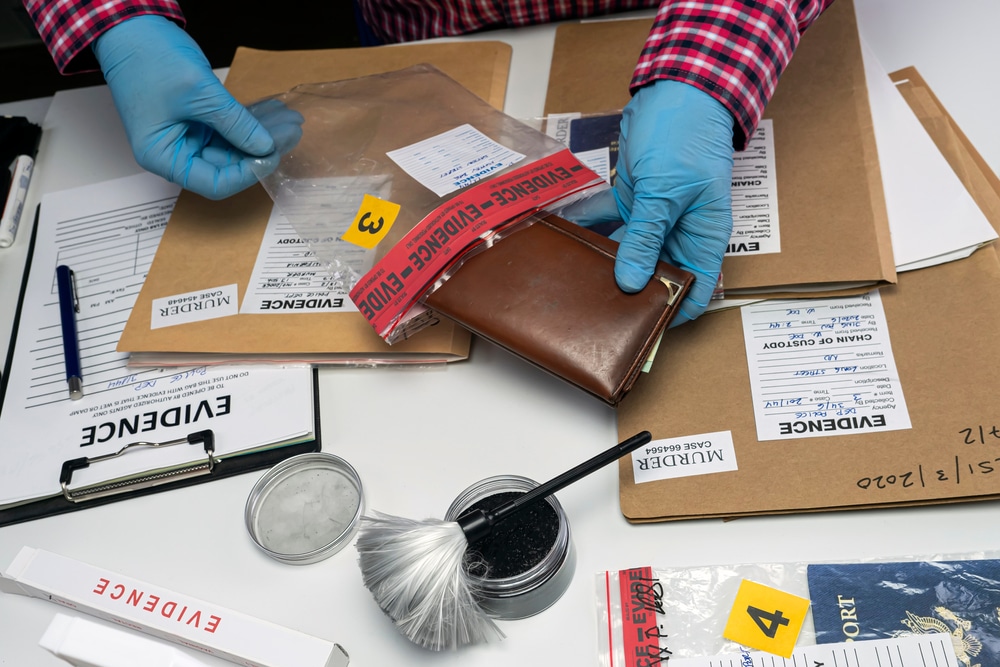
If a criminal case relies on evidence that should not have been collected, the entire prosecution can be questioned. In Texas criminal defense, a motion to suppress evidence is a key legal tool. It lets the court remove evidence that was gathered in violation of your constitutional rights or Texas law. Often, the result of a suppression hearing decides if the case continues or is dismissed. We use these motions often in Galveston County courts to challenge improper police actions and protect our clients from unfair charges. Knowing how suppression works shows why starting your defense early is so important.
What A Motion To Suppress Evidence Means Under Texas Law
A motion to suppress is a formal request for the court to keep certain evidence out of a trial. The idea is straightforward: if police got evidence illegally, the State should not be allowed to use it.
Texas Code of Criminal Procedure Article 38.23(a) states that no evidence obtained in violation of the Constitution or laws of Texas or the United States shall be admitted against the accused in a criminal case. This is often referred to as the Texas exclusionary rule.
At the federal level, this rule comes from the Fourth Amendment, which protects people from unreasonable searches and seizures. Texas courts look at both federal and state law when deciding on suppression issues.
If a judge approves a motion to suppress, the State cannot use that evidence in court. Sometimes, this results in reduced charges or even dismissal of the case.
Why Motions To Suppress Are Critical In Criminal Defense
Many criminal cases rely on physical evidence, statements, or test results. If important evidence is thrown out, the prosecution might not be able to prove its case.
We see suppression as a key moment in a case. It can:
- Remove damaging evidence from the case.
- Limit what the jury is allowed to hear.
- Force the prosecution to reassess the strength of its case.
- Create leverage for negotiation.
- Lead to dismissal when essential proof is excluded.
In Galveston County and the Houston area, prosecutors take these motions seriously because they can change the direction of a case.
Common Situations Where Evidence Can Be Suppressed
Not every police action breaks the law, but many cases raise important legal questions. We look at each case carefully to decide if suppression is the right step.
Illegal Traffic Stops
Police need reasonable suspicion to stop a car. If an officer stops someone without a good legal reason, any evidence found after that might be thrown out.
For example, if an officer just says there was “suspicious driving” without giving details, that may not be enough under the law. Dash camera video is often important in deciding if the stop was legal.
Unlawful Searches
The Fourth Amendment usually requires police to get a warrant before searching. There are some exceptions, but those have clear limits. Examples of searches without probable include:
- Conducting a home search without a warrant or valid consent
- Exceeding the scope of a search warrant
- Improper use of K-9 units
If officers do more than the law allows, the evidence they find can be kept out of court.
Improper Detention Or Arrest
Even if an initial stop is valid, officers cannot extend the detention without additional legal justification. Prolonged stops without reasonable suspicion can lead to suppression.
Similarly, arrests must be supported by probable cause. If probable cause is lacking, evidence obtained after the arrest may be challenged.
Violations Of Miranda Rights
The Fifth Amendment and Texas law require police to tell people their rights before questioning them in custody. This means you have the right to stay silent and to have a lawyer.
If police get statements without giving the proper warnings, those statements might be thrown out. In Texas, this rule is also found in the Texas Code of Criminal Procedure Article 38.22.
Improper Collection Of Evidence
Evidence must be handled properly from collection through testing. Issues can arise with:
- Blood draws without a valid warrant or exception.
- Broken chain of custody
- Contaminated samples
- Failure to follow required procedures
These problems can undermine the reliability and admissibility of evidence.
The Legal Standards Courts Use In Suppression Hearings
When we file a motion to suppress, the court holds a hearing to look at the evidence and legal arguments. During this process, the responsibility to prove things can shift.
Initially, the defense raises the issue of illegality. Once that happens, the State must justify the lawfulness of the police conduct.
Courts evaluate:
- Whether reasonable suspicion existed
- Whether probable cause supported the search or arrest
- Whether any exceptions to the warrant requirement apply
- Whether constitutional rights were respected
Judges in Galveston County carefully review officer testimony, video evidence, and documentation before making a ruling.
The Role Of Evidence And Testimony At A Suppression Hearing
Suppression hearings often look very different from a trial. There is no jury. Instead, the judge acts as the fact finder and legal decision-maker.
Key elements may include:
- Officer testimony explaining their actions
- Cross-examination that tests credibility and consistency
- Body camera and dash camera footage
- Dispatch records and reports
- Laboratory documentation
We use these hearings to expose inconsistencies, challenge assumptions, and highlight gaps in the State’s case.
How A Successful Motion To Suppress Can Change A Case
When a motion to suppress is granted, the impact can be immediate and significant. In some cases, the excluded evidence is central to the prosecution.
Examples include:
- Suppression of a firearm in a weapons case
- Exclusion of drugs in a possession case
- Removal of a confession in a serious felony case
- Invalidating breath or blood test results in a DWI case
Without that evidence, the prosecution may not be able to proceed. This can lead to dismissal or a more favorable resolution.
Timing And Strategy For Filing A Motion To Suppress
Timing matters. In Texas criminal cases, motions to suppress are typically filed before trial, often after discovery has been reviewed.
We focus on:
- Obtaining all available evidence early
- Identifying legal issues quickly
- Filing detailed motions supported by law
- Preparing thoroughly for the hearing
Early action also helps preserve evidence such as video recordings, which can be critical to the defense.
Local Considerations In Galveston County And Houston Courts
Every court has its own practices and expectations. Judges in Galveston County expect well-prepared arguments supported by law and facts.
Local prosecutors often defend officer conduct aggressively, especially in cases involving drugs, weapons, or repeat offenses. That makes preparation essential.
We tailor our approach based on:
- The specific court and judge
- The nature of the alleged offense
- The quality of the evidence
- The history of the case
This level of preparation allows us to present strong suppression arguments when they matter most.
Long-Term Impact Of Suppression Decisions
A ruling on a motion to suppress can shape the entire course of a case. It can also affect future legal strategy, including plea negotiations and trial planning.
For clients, the stakes are clear. A successful motion can mean the difference between conviction and dismissal. Even when suppression is denied, the process often reveals weaknesses that can be used later in the case.
Frequently Asked Questions About Motions To Suppress Evidence In Texas
What Is A Motion To Suppress Evidence In A Criminal Case?
A motion to suppress is a legal request asking the court to exclude evidence that was obtained in violation of constitutional rights or Texas law. This often involves unlawful searches, improper arrests, or violations of Miranda rights. If the judge agrees that the evidence was obtained illegally, it cannot be used against the defendant at trial. This can weaken the prosecution’s case and, in some situations, lead to dismissal.
When Should A Motion To Suppress Be Filed In Texas?
Motions to suppress are usually filed before trial after the defense has had an opportunity to review the evidence. Filing early allows the court to address legal issues before a jury is involved. It also gives the defense time to gather supporting documentation, analyze video footage, and prepare arguments. Waiting too long can limit options, especially if key evidence is not preserved.
What Happens At A Suppression Hearing?
At a suppression hearing, the judge reviews evidence and hears testimony to decide whether the challenged evidence should be excluded. There is no jury. Officers may testify about their actions, and the defense has the opportunity to cross-examine them. Video evidence, reports, and other records are often presented. The judge then applies legal standards to determine whether the evidence was obtained lawfully.
Can A Case Be Dismissed If Evidence Is Suppressed?
Yes, in some cases. If the suppressed evidence is essential to the prosecution’s case, the State may not be able to proceed. For example, if drugs or a weapon are excluded, there may be little or no remaining evidence to support the charge. However, not every suppression ruling leads to dismissal. The outcome depends on how much of the case relies on the excluded evidence.
What Types Of Evidence Can Be Suppressed?
Many types of evidence can be challenged, including physical items, statements, and test results. This can include drugs, firearms, breath or blood test results, and confessions. Any evidence obtained through unlawful police conduct may be subject to suppression. The key issue is whether the evidence was obtained in violation of the law.
Do Police Always Need A Warrant To Search?
Not always. While warrants are generally required, there are recognized exceptions. These include consent, probable cause with exigent circumstances, and certain vehicle searches. However, these exceptions are limited and must be justified. If officers rely on an exception that does not apply, the search may be ruled unlawful.
What If I Consented To A Search?
Consent can allow officers to conduct a search without a warrant, but it must be voluntary. If consent was obtained through coercion, intimidation, or deception, it may not be valid. The court will look at the totality of the circumstances to determine whether consent was truly voluntary.
Can Statements Be Suppressed If I Was Not Read My Rights?
Yes, in certain situations. If you were subjected to custodial interrogation without being advised of your rights, your statements may be excluded. This protection comes from both the Fifth Amendment and the Texas Code of Criminal Procedure Article 38.22. However, not all interactions with police require Miranda warnings, so the specific facts matter.
How Successful Are Motions To Suppress?
Success depends on the facts of the case and the strength of the legal arguments. Some cases present clear violations, while others involve close legal questions. A thorough investigation and careful preparation increase the chances of success. Even when a motion is not granted, it can still reveal weaknesses that benefit the defense.
Why Is It Important To Hire A Lawyer Early For Suppression Issues?
Early involvement allows the defense to preserve evidence, identify legal issues, and build a strong strategy. Important materials such as video footage can be lost if not requested promptly. A lawyer can also ensure that deadlines are met and that the case is positioned for the best possible outcome. Acting early gives you the strongest opportunity to challenge the evidence against you.
Talk With Our Galveston Criminal Attorney Today
If you believe evidence in your case was obtained unlawfully, taking action now can make a significant difference. Mark Diaz & Associates represents clients facing criminal charges in Galveston and throughout the city of Houston, Texas. We evaluate every detail of the investigation to determine whether a motion to suppress can protect your rights and strengthen your defense.
When you hire me, you work directly with me. My clients have my personal cell phone number, because questions, emergencies, and concerns don’t always happen during business hours. You won’t be handed off to a junior associate or lost in a system where your case is one of dozens on a crowded docket. From arrest through resolution, I remain personally involved and accessible.
Contact our Galveston criminal law lawyer at Mark Diaz & Associates by calling 409-515-6170 to receive your free consultation and to discuss your defense strategy.
