
Why Was I Arrested When The Other Person Initiated The Fight?
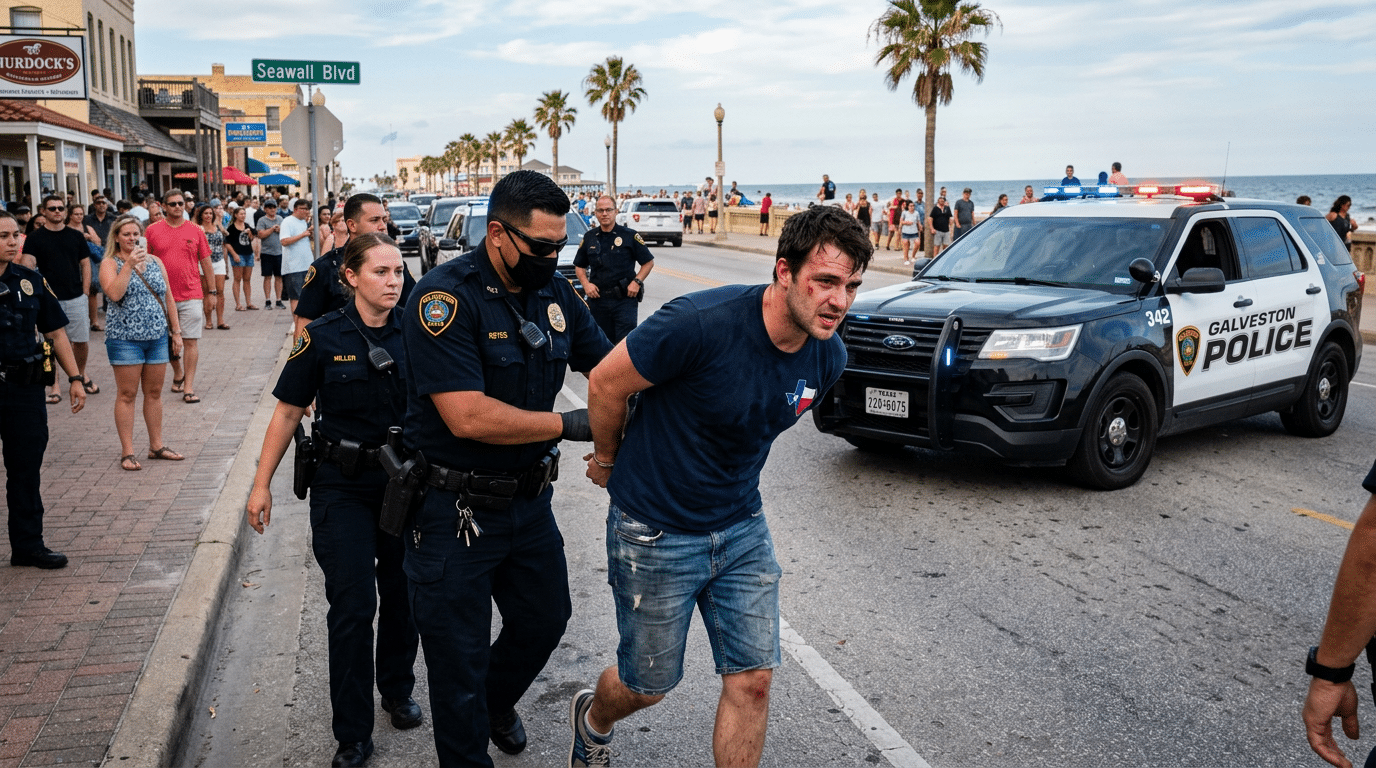
Being arrested after a fight is often confusing. Many clients ask, “Why am I being arrested when I didn’t start the fight?” People often think the person who throws the first punch will always be arrested, but Texas law doesn’t work that way.
In Galveston County and Houston, police usually arrive after the fight is over and must make quick decisions with limited information, witness statements, physical evidence, and what they see at the scene. Sometimes both people are arrested. Other times, someone who acted in self-defense ends up in handcuffs while the other person goes free. If this happened to you, remember that an arrest is not a conviction, and you may have defenses to protect your rights.
Why Police Sometimes Arrest The Wrong Person
Many people think police can quickly tell who started a fight. In reality, officers often arrive after it’s over. By then, emotions are running high, witnesses may be upset, and both sides usually have very different stories.
Police have to make quick decisions. They look at visible injuries, what witnesses say, any surveillance footage, 911 calls, and statements from everyone involved. But officers are not judges, and they don’t have to prove guilt beyond a reasonable doubt before making an arrest.
Sometimes officers arrest the person they believe was the primary aggressor. Other times, conflicting evidence leads them to arrest both individuals and allow prosecutors to sort out the details later. This frequently frustrates people who believe the facts clearly support their innocence.
We regularly remind clients that an arrest is based on probable cause, not proof beyond a reasonable doubt. Those are two very different legal standards. The fact that you were arrested does not automatically mean the police got it right.
Texas Law Does Not Automatically Protect The Person Who Did Not Throw The First Punch
Many people believe the person who throws the first punch is always guilty and the other person is always innocent. Texas law is much more complicated.
Self-defense is governed by Texas Penal Code §9.31. Under the statute, a person may use force against another when they reasonably believe the force is immediately necessary to protect themselves against another person’s unlawful use or attempted use of force.
The key phrase is “reasonably believe.”
Simply because another person initiated a confrontation does not mean every response is automatically justified. Prosecutors often examine whether the force used in response was reasonable under the circumstances.
For example, if someone shoves you and you respond by repeatedly striking them after the threat has ended, prosecutors may argue that the force became excessive. Every situation is heavily dependent on the specific facts.
The law does not create a simple formula where one person is automatically innocent and the other is automatically guilty. That is why these cases often require a thorough legal analysis.
Family Violence Cases Often Result In Unexpected Arrests
Many arrests involving fights occur within families, households, or dating relationships. Texas law takes family violence allegations extremely seriously, and officers often feel pressure to act quickly when responding to these calls.
Texas Family Code §71.004 broadly defines family violence to include acts intended to result in physical harm, bodily injury, assault, or threats that reasonably place another person in fear of imminent harm.
When officers arrive at a domestic disturbance, they are often required to determine who they believe is the primary aggressor. However, that decision is not always easy. Both people may have injuries. Both may accuse each other of being violent. Both may claim self-defense.
In these situations, officers may rely heavily on visible injuries, witness statements, prior police reports, damaged property, or the emotional state of those involved. Unfortunately, these factors do not always tell the complete story.
We frequently represent people who were arrested despite acting to protect themselves. That is one reason why immediate legal representation is so important.
Self-Defense Is A Powerful Legal Defense In Texas
Texas has strong self-defense laws, but simply claiming self-defense does not automatically prevent an arrest. Under Texas Penal Code §9.31, several factors are examined when determining whether self-defense applies. Prosecutors may analyze who initiated the confrontation, whether there was an immediate threat, whether the force used was proportional, and whether the defendant escalated the situation.
Texas also recognizes certain circumstances where a person has no duty to retreat before using force. This is commonly associated with Texas’s stand your ground principles. However, these protections only apply when specific legal requirements are met.
The facts matter tremendously. Small details can change the entire legal analysis.
Surveillance footage, witness statements, text messages, and physical evidence often become extremely important in establishing what actually happened. This is one reason why we encourage clients to preserve every piece of evidence immediately after an arrest.
Social Media Can Hurt Your Defense
Many people make their situations worse after an arrest by discussing the incident online. We routinely see clients post explanations on Facebook, Instagram, TikTok, or X because they believe they need to tell their side of the story. Unfortunately, prosecutors often review social media accounts and may use those statements as evidence.
Even posts that seem harmless can create problems. Comments made in frustration may be interpreted as admissions. Photographs, jokes, or angry messages can all become evidence in a criminal case.
We strongly advise clients not to discuss pending criminal matters online. Your defense strategy should be developed with your attorney, not on social media. Protecting yourself after an arrest is just as important as defending yourself before trial.
Common Charges That May Result From A Fight In Texas
Several criminal charges may arise from a physical altercation. Texas Penal Code §22.01 governs assault offenses. A person may be charged with assault if they intentionally, knowingly, or recklessly cause bodily injury to another person, threaten another person with imminent bodily injury, or engage in offensive physical contact.
Many assault cases are Class A misdemeanors, but certain factors can elevate the offense to a felony. Prior convictions, allegations involving family violence, strangulation allegations, or injuries to protected individuals may significantly increase potential penalties. In some situations, disorderly conduct charges may also be filed under Texas Penal Code §42.01. The exact charge depends heavily on the circumstances surrounding the incident.
Evidence Often Changes The Direction Of A Criminal Case
The evidence gathered after an arrest often determines how a case proceeds. Many people assume police reports tell the entire story. In reality, police reports are only one piece of evidence. They often contain incomplete information because officers must quickly summarize complicated events.
We aggressively investigate evidence beyond the police report. Security camera footage, cell phone videos, 911 recordings, medical records, witness interviews, photographs, and electronic communications frequently provide a more complete picture.
Digital evidence has become increasingly important. Many confrontations are now captured on cell phones, home surveillance systems, or business security cameras. Acting quickly is important because some evidence may be deleted or overwritten if it is not preserved immediately.
What You Should Do After An Arrest
Many people unintentionally hurt their own cases after they are released from custody. One of the biggest mistakes is speaking extensively with police investigators without legal counsel. People often believe they can clear up misunderstandings, but those statements frequently become evidence against them later.
You should also avoid contacting the other person involved in the incident. Even if you simply want to apologize or explain what happened, that communication can create additional legal problems.
Preserve any evidence you have available. Save text messages, photographs, videos, and witness information. Do not delete anything.
Most importantly, speak with a criminal defense attorney immediately. Early legal intervention often creates more opportunities to build an effective defense strategy and prevent unnecessary complications.
FAQs About Being Arrested When The Other Person Started The Fight
Why Was I Arrested If The Other Person Hit Me First?
Many people assume the person who throws the first punch will automatically be arrested, but that is not how the criminal justice system works in Texas. Police officers often arrive after the confrontation has ended and must make decisions based on the evidence available at that moment. Officers may rely on visible injuries, witness statements, damaged property, surveillance footage, and statements from everyone involved. If officers believe there is probable cause that both people committed an offense, they may arrest one person or both individuals. Remember that an arrest is not a determination of guilt. The fact that you were arrested does not mean the police made the correct decision or that the prosecution can ultimately prove its case.
Can Both People Be Arrested After A Fight In Texas?
Yes. It is more common than many people realize. When police officers encounter conflicting stories and cannot immediately determine who the aggressor was, they sometimes arrest both individuals and allow prosecutors to review the evidence later. This frequently happens when both parties have visible injuries or when witnesses provide inconsistent accounts of what happened. While this can be frustrating, prosecutors still have the burden of proving a criminal offense beyond a reasonable doubt. Every piece of evidence becomes important in determining what actually occurred.
Can I Claim Self-Defense In Texas?
Yes. Texas law allows people to defend themselves under certain circumstances. Texas Penal Code §9.31 permits the use of force when a person reasonably believes that force is immediately necessary to protect themselves from another person’s unlawful use or attempted use of force. However, self-defense is not automatic simply because someone else started the confrontation. Prosecutors will carefully examine whether your response was reasonable and proportional to the threat you faced. Every detail surrounding the incident matters when asserting a self-defense claim.
What If I Defended Myself But The Other Person Was Injured Worse Than I Was?
This is actually a very common situation. People often believe that the person with the worst injuries automatically becomes the victim, but that is not always true. A person acting in lawful self-defense may still cause significant injuries while protecting themselves. The issue is not who suffered the greatest injuries. The issue is whether the force used was legally justified under the circumstances. Surveillance footage, witness statements, photographs, and medical records often become extremely important in these situations.
Will Police Believe Me If I Tell Them My Side Of The Story?
Many people assume they can clear everything up by speaking extensively with officers. Unfortunately, it does not always work that way. Statements made during stressful situations can be misunderstood, taken out of context, or used later by prosecutors. We generally advise clients to exercise their right to remain silent and speak with an attorney before answering detailed questions. Protecting your rights early often prevents additional complications later.
Does Texas Have Stand Your Ground Laws?
Yes, Texas law contains stand your ground protections in certain situations. However, these protections are often misunderstood. Stand your ground does not mean you can use unlimited force whenever an argument occurs. The legal protections only apply when specific requirements are met under Texas law. Prosecutors will still examine whether your actions were reasonable under the circumstances.
What If The Fight Happened At My Home?
The location of the incident can become very important. Texas law provides additional protections in certain circumstances involving your home, vehicle, or workplace. Many people are familiar with the Castle Doctrine, but these protections still have legal limitations. The facts surrounding the encounter must be carefully examined before determining whether those protections apply.
Will Family Violence Allegations Change The Situation?
Absolutely. Family violence allegations are treated very seriously in Galveston County and throughout Houston. Prosecutors often aggressively pursue these cases because they involve spouses, dating partners, household members, or family members. Additional consequences may arise, including protective orders, no-contact orders, firearm restrictions, and child custody complications. These cases require immediate legal attention.
Can Social Media Hurt My Case?
Yes. Social media regularly becomes evidence in criminal cases. Posts, comments, videos, photographs, private messages, and even deleted content may be reviewed by prosecutors. Many people unintentionally damage their own defense by discussing their case online. We strongly encourage clients to avoid posting anything about their arrest or the incident itself.
What Should I Do Immediately After Being Arrested?
Stay calm and avoid making emotional decisions. Do not contact the other person involved in the altercation. Do not delete text messages, videos, or social media content. Preserve any evidence that may support your defense, including witness information and photographs. Most importantly, contact a criminal defense attorney immediately. Early legal intervention often creates more opportunities to protect your rights and build an effective defense strategy.
Contact Mark Diaz & Associates If You Were Arrested After A Fight In Texas
Being arrested when you believe the other person started the fight can be frustrating, overwhelming, and frightening. Many people feel betrayed by the system because they thought they were defending themselves. The reality is that these cases are often far more complicated than they initially appear, and early intervention can make a tremendous difference in the outcome.
At Mark Diaz & Associates, we aggressively defend clients facing assault allegations, family violence charges, and other criminal accusations throughout Galveston and across the city of Houston, Texas. We understand how police officers investigate these incidents, how prosecutors build their cases, and how to identify weaknesses in the evidence.
When you hire me, you work directly with me. My clients have my personal cell phone number because questions, emergencies, and concerns do not always happen during business hours. You will not be handed off to a junior associate or lost in a system where your case is one of dozens on a crowded docket. From arrest through resolution, I remain personally involved and accessible.
If you were arrested after a fight and believe you were acting in self-defense, call our Galveston criminal defense law attorney at Mark Diaz & Associates today by calling 409-515-6170 to schedule your free consultation. We represent clients throughout Galveston and all of Houston, Texas, and we are ready to begin protecting your rights immediately.
